Grand Jury Declines to Indict N.Y. Attorney General, Marking Rare Rebuke to Federal Prosecutors
A federal grand jury in Virginia declined on Monday to indict New York Attorney General Letitia James on mortgage-fraud charges, delivering an unusual setback to the Justice Department and intensifying scrutiny of the Trump administration’s efforts to pursue criminal cases against some of the president’s political adversaries.
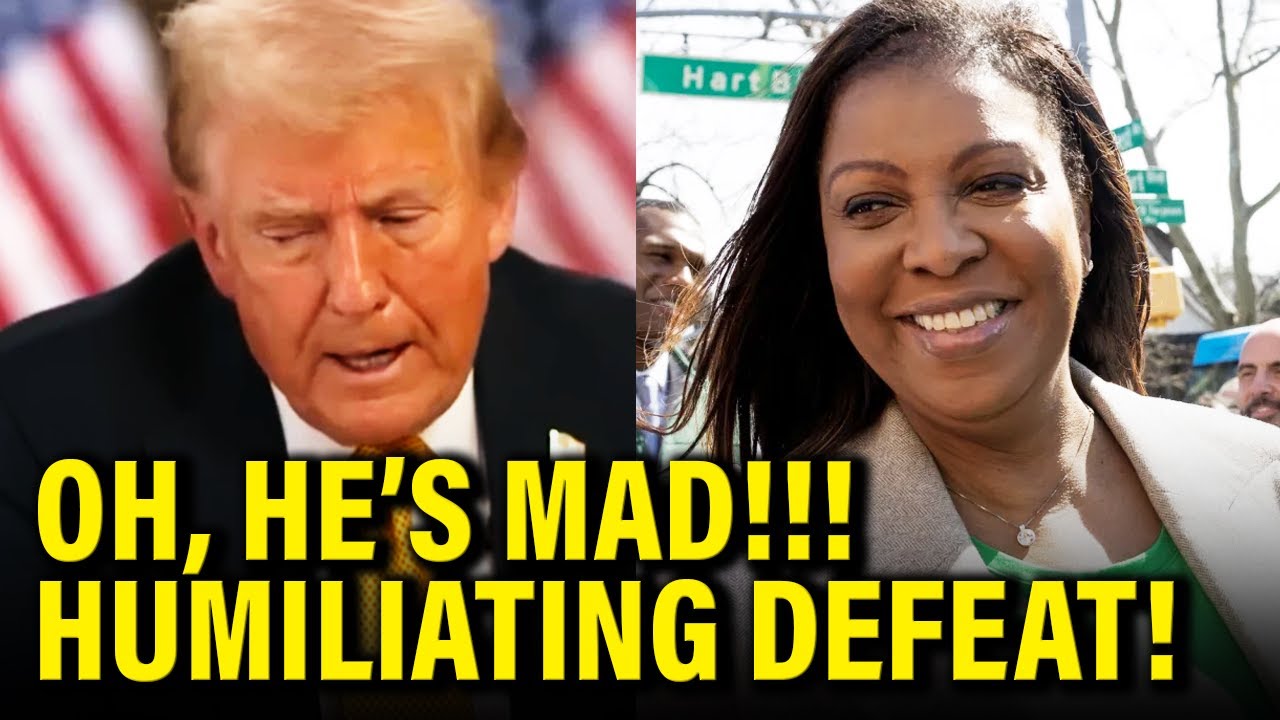
The decision — only the second time prosecutors have attempted unsuccessfully to bring the same charges — is a rare outcome in the federal system, where grand juries normally approve indictments when prosecutors present what they believe to be sufficient evidence. Experts said the rejection underscored skepticism among jurors about both the strength of the case and the broader circumstances surrounding it.
“I can’t recall a time when federal prosecutors thought a case was strong enough to present to a grand jury and the grand jury declined,” said one defense lawyer involved in the matter, adding that the decision amounted to an extraordinary public rebuke. “The message is that this case should not have been brought.”
The mortgage-fraud case had first been dismissed by a judge earlier this month after the court found that the original prosecutor — appointed by President Trump — had been improperly placed in the role of interim U.S. attorney. The Justice Department then assigned a different prosecutor and brought the matter before a new grand jury in Norfolk, Va., but jurors again refused to indict.
The Justice Department has not said whether it will attempt a third presentation. Officials emphasized that the inquiry remains open, though career prosecutors have previously expressed concerns internally that the case lacked a firm legal foundation.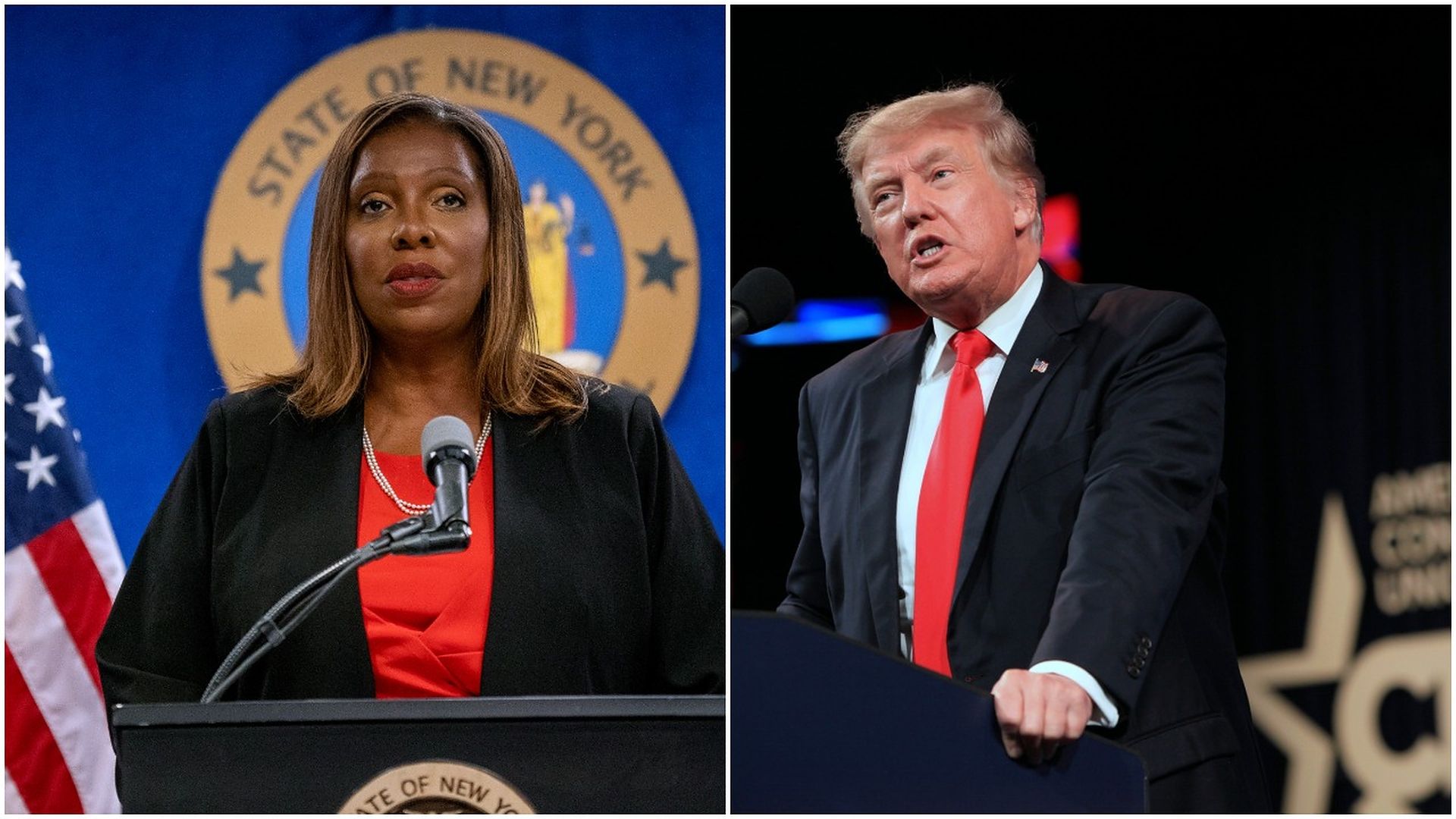
Ms. James, a Democrat, has long been a frequent target of Mr. Trump’s ire after she pursued — and ultimately won — a civil fraud case against him and his business empire in New York. Her lawyers said Monday’s outcome reinforced their argument that the federal investigation amounted to a “vindictive prosecution” driven by political retaliation rather than evidence.
In a statement, Ms. James said she was “grateful that the system held firm,” and reiterated that she had “simply carried out the duties of my office.”
The failed indictment attempt comes amid broader signs of institutional resistance to several of the administration’s legal and policy initiatives. According to recent reporting, more than 60 federal judges have slowed or blocked various Trump-era actions, an unusually high level of judicial intervention so early in a presidential term. Inside the Justice Department, two-thirds of staff attorneys in certain divisions have resigned, citing concerns over being asked to defend policies they view as legally or ethically unsound.
The cascading legal setbacks have fueled criticism that the administration is overreaching and seeking to wield federal authority in ways that push, and sometimes exceed, constitutional boundaries. White House officials have dismissed such concerns, arguing that courts often resist major shifts in executive-branch priorities.
Still, legal analysts said Monday’s grand jury decision stands out in its rarity. Grand juries are not tasked with determining guilt, only whether prosecutors have met the relatively low threshold of probable cause. That the jury declined suggests substantial reservations about the evidence, the investigation, or both.
“The bar to indict is low,” said a former federal prosecutor. “When jurors say no, it is a strong signal something is fundamentally wrong with the case.”
Whether the Justice Department will pursue the matter again remains unclear. For now, the rejection marks a significant legal and political setback for an administration already facing increasing judicial pushback and internal dissent — and offers Ms. James a measure of vindication in a widening clash over the limits of presidential power.