Satire Segment on “Saturday Night Live” Revives Scrutiny of Defense Secretary Amid Allegations and Public Tensions
WASHINGTON — A recent Saturday Night Live sketch parodying Defense Secretary Pete Hegseth has reignited public discussion about the administration’s handling of counter-narcotics operations, the White House’s crisis management style, and the growing influence of partisan media figures within official press events.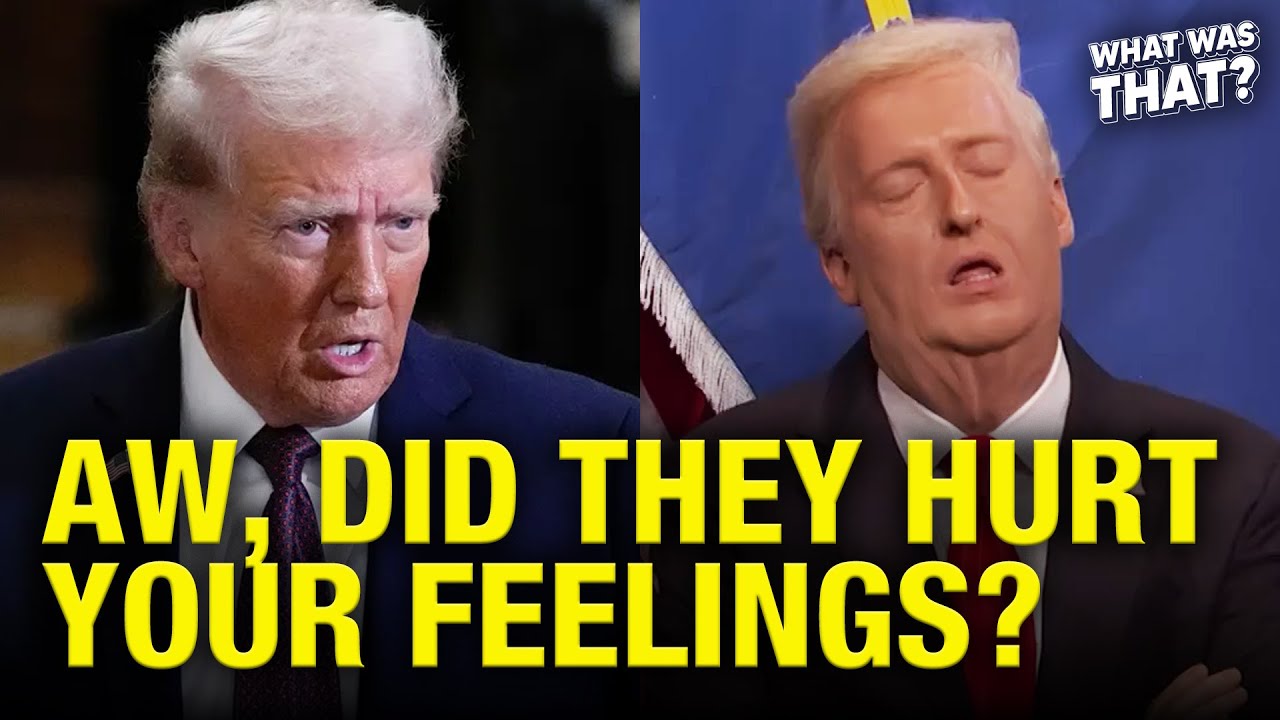
The sketch, which portrayed a fictionalized version of Mr. Hegseth as belligerent, evasive, and prone to emotional outbursts, drew attention precisely because of how closely some viewers felt it resembled real exchanges between the secretary and reporters in recent weeks. The program often exaggerates political figures for comedic effect, but in this case the humor overlapped with existing public controversies surrounding the Defense Department’s operations in the Caribbean.
At issue are allegations—denied by the department—that after a U.S. strike on a drug-smuggling vessel, a second strike was ordered that may have targeted survivors. The Pentagon has not publicly released full video of the incident. In a recent briefing, when asked whether the footage would be made available, Mr. Hegseth responded that protecting operational security was his priority, declining to issue a definitive yes or no. Critics said the exchange added to perceptions of evasiveness within the administration.
The SNL sketch leaned heavily into this theme, portraying an overcharged, defensive version of Mr. Hegseth struggling to explain away accusations while joking about “fog of war,” a phrase the real president has used when asked about details of military engagements. The segment also referenced a comment attributed to Senator Mark Kelly, the Arizona Democrat, who recently criticized the secretary’s public posture, saying he sometimes appeared to be “a 12-year-old playing army.” The senator’s office has stood by the remark.
The broader satire did not focus solely on Mr. Hegseth. It also lampooned the administration’s media strategy, depicting a Pentagon press corps increasingly populated by partisan influencers, podcasters, and activists—an exaggeration rooted in the fact that several online commentators have recently been granted access to high-profile federal briefings. The administration has said this reflects a commitment to “modernizing” press outreach.
The show’s writers also targeted former President Donald J. Trump, portraying him as inattentive during briefings and reliant on staff to reinterpret or contextualize his remarks. Though such depictions are comedic inventions, they echo recurring criticisms from opponents who argue that aides frequently attempt to soften or reinterpret the president’s public statements.
Administration officials dismissed the sketch as satire that takes liberties for entertainment purposes. Supporters of Mr. Hegseth said the Pentagon is operating under difficult and evolving circumstances and that incomplete information can limit what officials are able to share publicly. They maintain that the counter-narcotics mission remains lawful, effective, and essential to regional stability.
Still, the SNL segment has amplified ongoing debates about civilian oversight of military actions, transparency regarding overseas operations, and the public tone set by senior officials. As questions continue about the incident in the Caribbean and the administration’s broader approach to information-sharing, the sketch has ensured that both critics and supporters will be returning to these issues with renewed focus.