Alleged Pardon Outreach by Trump Sparks Backlash After Cuellar Declines to Switch Parties, Setting Off Political Firestorm in Washington
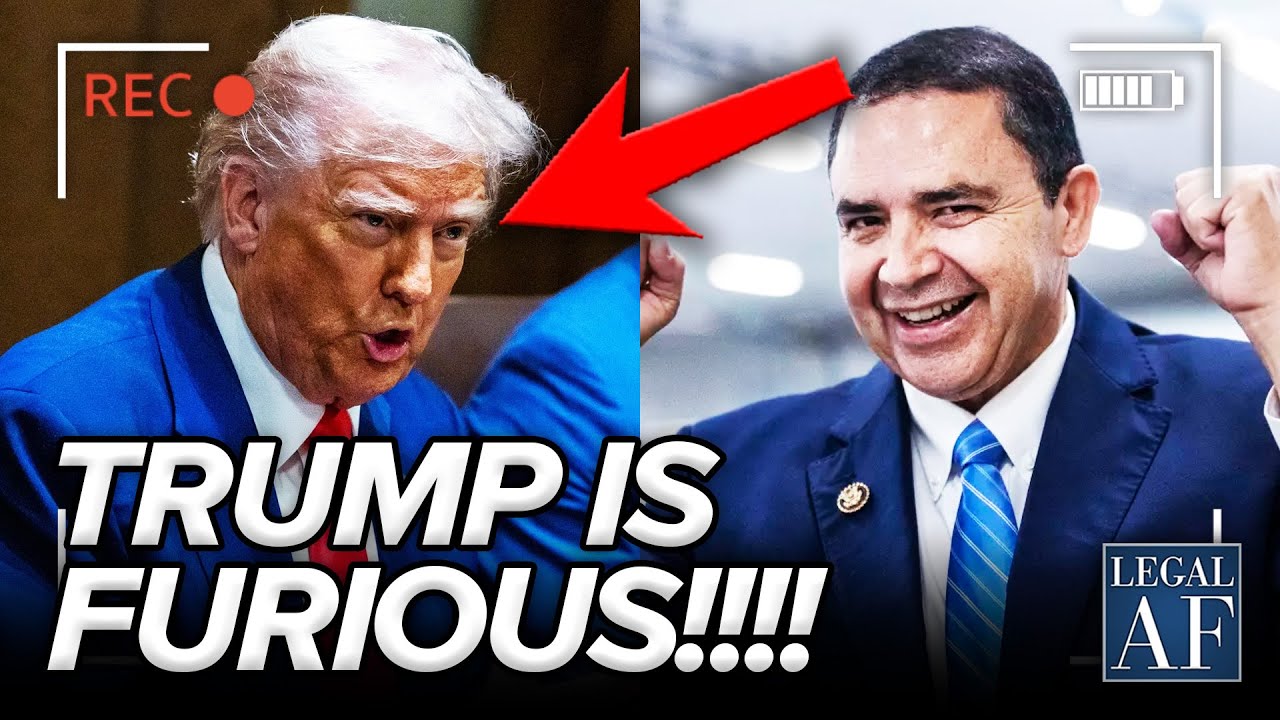
Washington — Allegations that former President Donald J. Trump privately attempted to entice Representative Henry Cuellar, a Texas Democrat recently indicted on federal charges, with the prospect of a presidential pardon in exchange for a party switch ignited a political uproar on Thursday, drawing scrutiny from lawmakers in both parties and prompting renewed debate over the boundaries of presidential clemency.
The claims emerged after a widely circulated video clip showed Mr. Cuellar offering brief thanks to Mr. Trump at a public event — a moment that, according to several political operatives, belied a far more complicated private exchange. Multiple individuals familiar with the matter, speaking on the condition of anonymity because they were not authorized to discuss internal conversations, said Trump allies had floated the possibility of a future pardon as part of an effort to persuade Mr. Cuellar to endorse Mr. Trump or formally join the Republican Party.
But the alleged overture appears to have backfired. Within hours of the event, Mr. Cuellar publicly reaffirmed his Democratic affiliation, and aides close to him insisted he had never entertained switching parties. That refusal, according to two people familiar with the situation, triggered an angry reaction from Mr. Trump, who vented on social media and accused the congressman of “bad faith” and “disloyalty.”
A Quiet Outreach That Became a National Flashpoint
The controversy gained momentum late Wednesday when political commentators began circulating a clip of Mr. Cuellar thanking Mr. Trump for what he called “a gesture,” though the nature of that gesture was not explained. The brevity of the moment — lasting less than 10 seconds — prompted intense speculation across cable news and social media.
By Thursday morning, national outlets reported that Trump advisers had discussed using the promise of a potential pardon as leverage. Two individuals briefed on those conversations said the outreach was framed informally and stopped short of an explicit offer, but acknowledged the discussions centered on Mr. Cuellar’s legal exposure.
A spokesperson for Mr. Trump denied the allegations outright, calling them “fabricated political nonsense” and insisting the former president “has made no promises to any member of Congress regarding pardons.” The spokesperson added that Mr. Trump “encourages bipartisan cooperation but does not engage in transactional politics.”
Mr. Cuellar’s office declined to comment on the reports but issued a statement saying the congressman “remains a proud Democrat” and that any suggestion he considered switching parties was “simply false.”
Bipartisan Concern Over Possible Abuse of Clemency Power

Even in the absence of verified details, the allegations prompted sharp concern across Capitol Hill. Several lawmakers said the reports highlighted persistent vulnerabilities in the presidential pardon system, which grants the executive broad constitutional authority with limited congressional oversight.
Representative Adam Schiff, Democrat of California, called the situation “deeply troubling,” saying the allegations “raise serious questions about whether clemency is being manipulated for political gain.” Senator Mitt Romney, Republican of Utah, was similarly critical, telling reporters that “even the appearance of trading pardons for political allegiance undermines public trust.”
Legal scholars emphasized that while the president retains sweeping authority to issue pardons, using them as political inducements could run afoul of federal bribery statutes if prosecutors determined a quid pro quo existed.
“This is a gray area where constitutional power meets criminal law,” said Barbara McQuade, a former U.S. attorney and law professor at the University of Michigan. “Intent matters. Documentation matters. And ambiguity can itself be damaging.”
Inside Trumpworld: Conflicting Accounts of a Meltdown
Accounts of Mr. Trump’s private reaction varied widely. Three individuals familiar with discussions inside his political operation said the former president appeared “frustrated” and felt Mr. Cuellar had “embarrassed” him by accepting public praise before rejecting any political alignment.
These people described aides scrambling to coordinate messaging as the story began trending online Wednesday night, with some advising Mr. Trump to downplay the incident and others urging him to attack Mr. Cuellar’s credibility.
Publicly, Mr. Trump oscillated between denial and criticism. On his social media platform, he accused unnamed Democrats of “trying to twist a friendly moment into scandal,” before later posting a message claiming that “certain people take help, then betray you.”
A Scandal That Could Grow

The allegations also revived scrutiny of Mr. Trump’s use of clemency during his presidency, including high-profile pardons for political allies, former advisers and individuals connected to campaign controversies.
Some lawmakers have already signaled support for further investigation. The House Oversight Committee indicated Thursday it was “reviewing the reports” and would determine whether a formal inquiry was warranted.
Political analysts said the episode exposed deeper tensions within both parties: Republicans grappling with the implications of another Trump-centered controversy, and Democrats unsettled by the possibility that a colleague was the focus of clandestine outreach.
“This is not just about one congressman,” said Matt Barreto, a political scientist at UCLA. “It’s about whether Trump’s movement continues to operate in ways that blur the line between political advocacy and personal leverage.”
Public Reaction and the Road Ahead
Public response to the alleged pardon overture has been swift. The video clip at the center of the controversy has amassed millions of views, with voters across ideological lines expressing skepticism about the propriety of any back-channel pardon discussions.
Mr. Cuellar, who faces a difficult legal and political path ahead, has not spoken publicly beyond his initial statement. Party leaders have not indicated whether they plan to take any disciplinary action.
For now, Washington remains mired in uncertainty — unsure whether the scandal reflects a failed political gambit, a misunderstanding amplified by the internet, or the early stage of a more complex investigation into the use of presidential power.