Putin Praises India for Resisting U.S. Pressure as Trump Tariffs Reshape Global Alliances

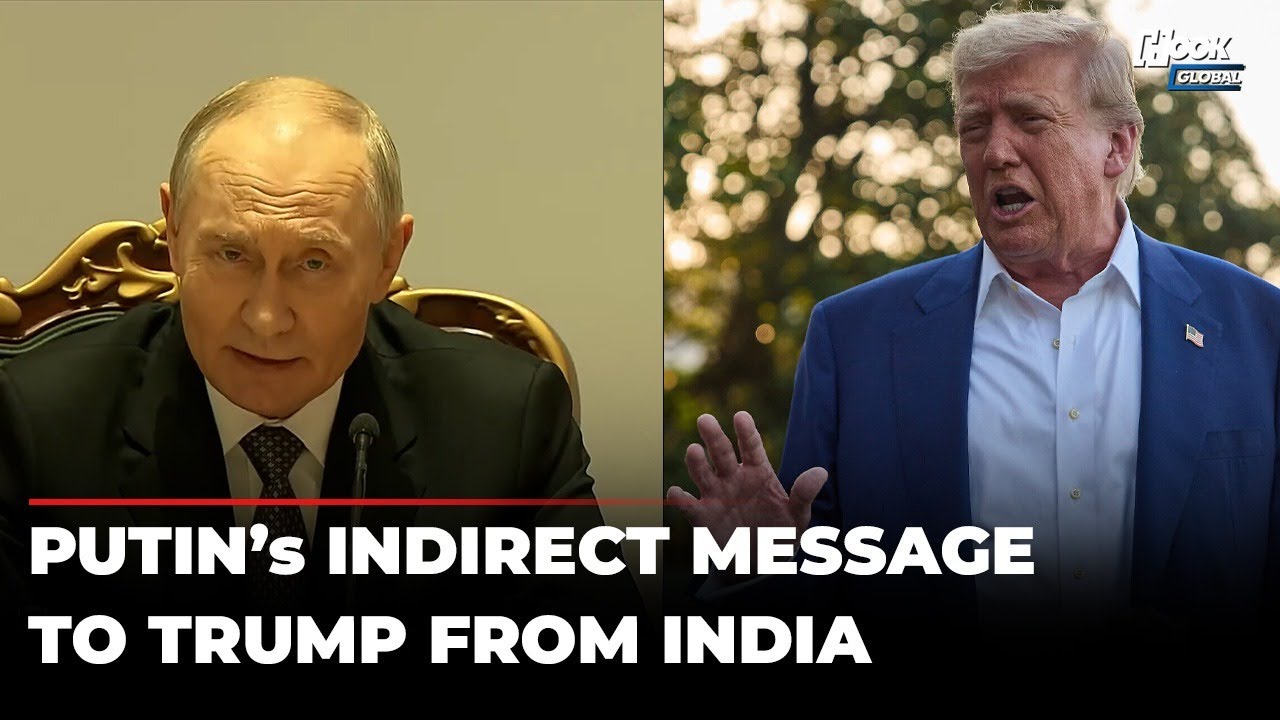
New Delhi / Moscow / Washington — Russian President Vladimir V. Putin on Wednesday praised India for what he called its “independent and sovereign approach” to global economic tensions, marking one of the most pointed public endorsements of New Delhi’s foreign-policy strategy since the United States escalated a series of tariff measures under former President Donald J. Trump’s renewed trade agenda.
Mr. Putin’s remarks, delivered during a televised forum in Moscow, came in response to a question about shifting power dynamics in Asia and growing strains between Washington and several major emerging economies. While the Russian leader did not reference the United States by name, his comments were widely understood as a critique of American tariff pressure and an affirmation of India’s refusal to align with U.S. appeals for coordinated economic measures.
The statement quickly drew attention in international policy circles, with analysts warning that the exchange reflected a broader geopolitical recalibration — one that could shape global supply chains, trade blocs and diplomatic alignments in the years ahead.
India Balances Strategic Pressures
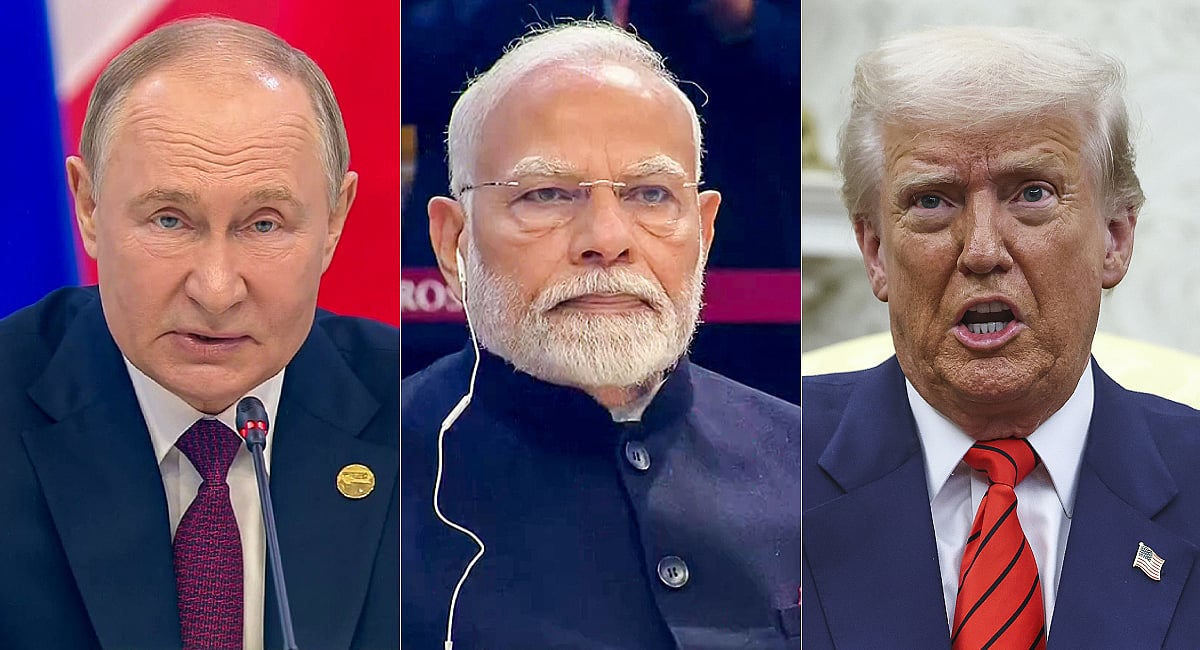
India has walked a careful line amid the intensifying tariff standoff between Washington and several of its partners. While New Delhi maintains close strategic ties with the United States — particularly through defense cooperation and participation in the Quad security framework — it has resisted U.S. pressure to reduce economic engagement with Russia and to adopt a more adversarial posture toward China.
Prime Minister Narendra Modi’s government has instead emphasized economic self-reliance, diversified partnerships and what officials describe as “issue-based alignment” rather than bloc loyalty. India has continued purchasing discounted Russian energy, expanded defense-industry collaborations, and rejected U.S. suggestions that it join coordinated tariff retaliation against certain Asian exporters.
“The government’s position is clear: India will not compromise its autonomy,” said Harsh Pant, a foreign-policy scholar at the Observer Research Foundation in New Delhi. “Putin’s praise taps into that self-perception — and also serves Russia’s interests.”
Putin’s Messaging and Moscow’s Strategic Play
For Russia, endorsing India’s geopolitical independence serves dual purposes. It reinforces Moscow’s narrative that the international system is moving toward a multipolar order, and it signals to other states — including those in the Global South — that rapprochement with Russia can occur without falling out of favor with Western partners.
“India is demonstrating a balanced foreign policy despite unprecedented pressure,” Mr. Putin said during the forum. “We respect that. It is an example for other nations that wish to pursue national interests rather than the agenda of any other country.”
The Kremlin has increasingly positioned India as a critical partner amid Russia’s deepening isolation from Western economies following prolonged sanctions. Bilateral trade between India and Russia has surged, driven primarily by energy flows. Moscow has also attempted to revive stalled defense cooperation and promote joint production agreements.
But experts caution that Russia’s praise carries strategic intent.
“Putin wants to signal that the U.S. is no longer the uncontested arbiter of global economic behavior,” said Fiona Hill, a former White House Russia advisor now at the Brookings Institution. “By highlighting India’s independence, he is also encouraging other countries to resist U.S. pressure.”
U.S. Concerns Mount as Tariff Policies Spark Blowback
The Trump administration’s escalating tariffs — part of a broader campaign to reshape global trade patterns — have drawn mixed reactions in Washington. Supporters argue the measures are necessary to protect American manufacturing and counter unfair trade practices. Critics warn they risk alienating key partners, driving neutral states toward alternative blocs, and weakening long-standing alliances.
India, which has absorbed several rounds of tariff increases on steel, pharmaceuticals and technology components, has responded with targeted countermeasures but has stopped short of full-scale retaliation.
Privately, U.S. officials have expressed frustration that the tariff agenda has complicated efforts to deepen cooperation with India on defense technology and supply-chain security. Publicly, however, the State Department reiterated Wednesday that the United States “respects India’s economic decisions” and remains committed to advancing the Indo-Pacific partnership.
A Potential Inflection Point in Global Power Dynamics
Analysts say the confluence of Russia’s public praise and India’s tariff resistance may reflect deeper shifts underway. As major economies navigate competing trade pressures, many are reassessing long-standing assumptions about the U.S.-led economic order.
“The world is no longer defined by fixed alliances,” said C. Raja Mohan, senior fellow at the Asia Society Policy Institute. “Countries like India are positioning themselves to engage with multiple centers of power — and actors like Russia are responding strategically.”
Still, experts caution against overstating the impact of a single public remark. India remains invested in defense ties with the United States, skeptical of China’s regional ambitions, and pragmatic in its dealings with Moscow.
“This does not mean India is ‘choosing’ Russia over the U.S.,” said Alyssa Ayres, a former U.S. diplomat. “It means India is choosing India.”
What Comes Next
Whether Putin’s remarks signal a deeper shift or a rhetorical flourish will become clearer in the coming months as Washington recalibrates its trade stance and New Delhi navigates competing demands.
For now, the episode underscores a broader truth: as tariff tensions rise and power centers evolve, India’s role in the global system is becoming increasingly pivotal — and increasingly contested.