WASHINGTON — A political and legal confrontation months in the making collapsed on Thursday when a federal grand jury in Norfolk, Va., declined for the second time in ten days to approve an indictment sought by officials aligned with former President Donald J. Trump against New York Attorney General Letitia James. The decision, confirmed by two people familiar with the proceedings, marks a significant setback for an effort the Trump team publicly framed as a corrective to what it called “weaponized justice” — but which critics viewed as an attempt to retaliate against a political adversary.
Inside the Justice Department, where several senior officials have privately expressed unease about the case for weeks, the response was described as “a grim acknowledgment of reality.” One official, who requested anonymity to discuss internal reactions, said that members of Trump’s circle had pushed aggressively for an indictment even though staff attorneys warned the evidentiary basis was thin and the legal theory behind the charges untested. The grand jury’s rejection, this person said, was “not remotely surprising.”
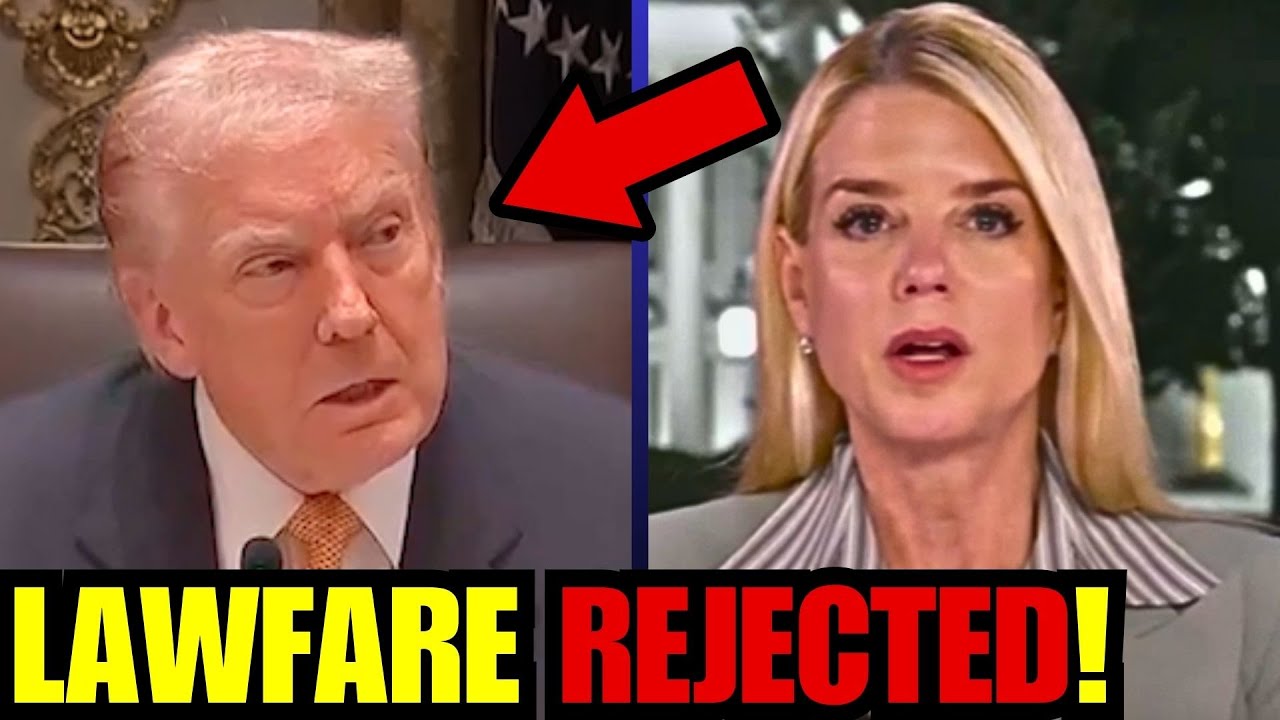
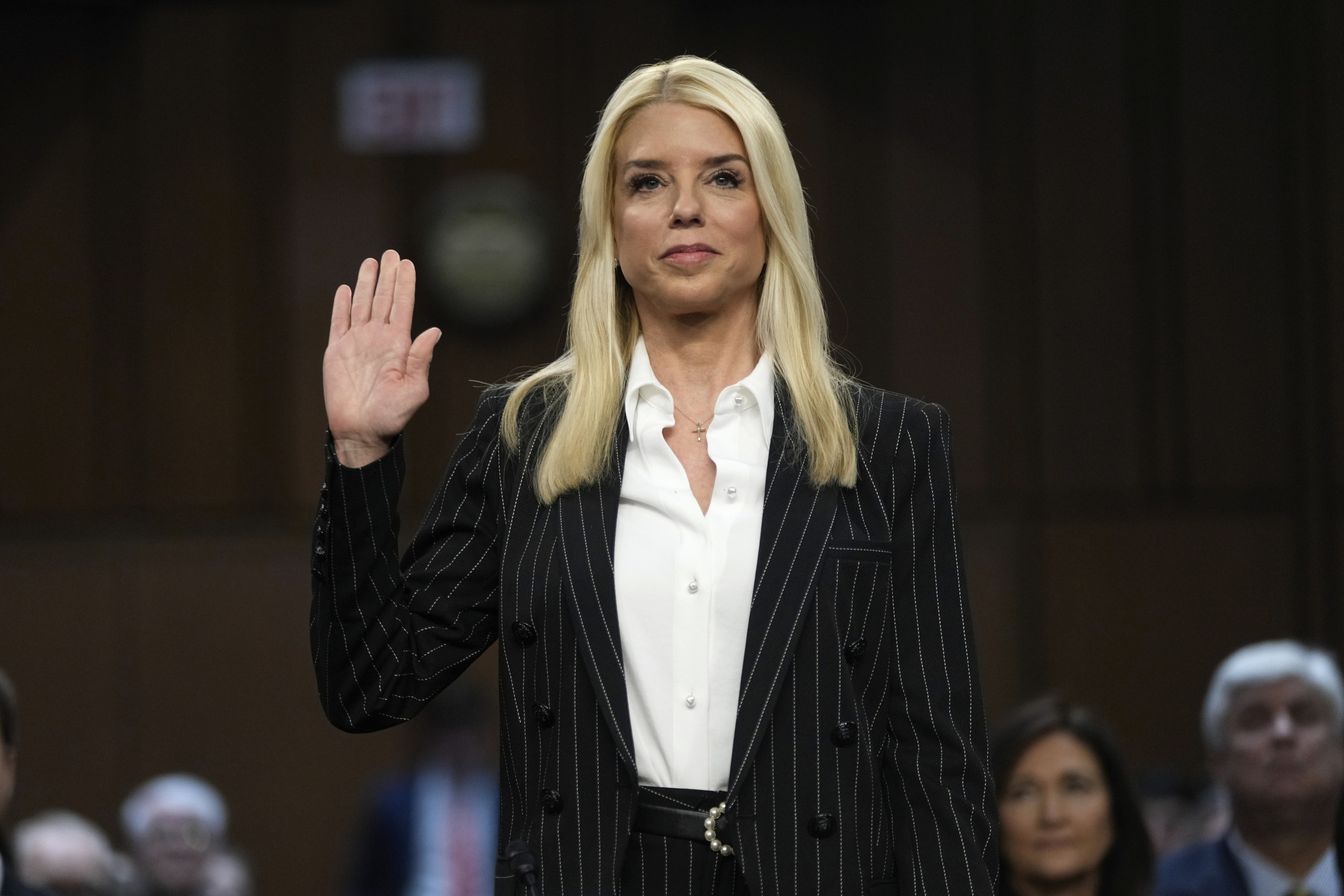
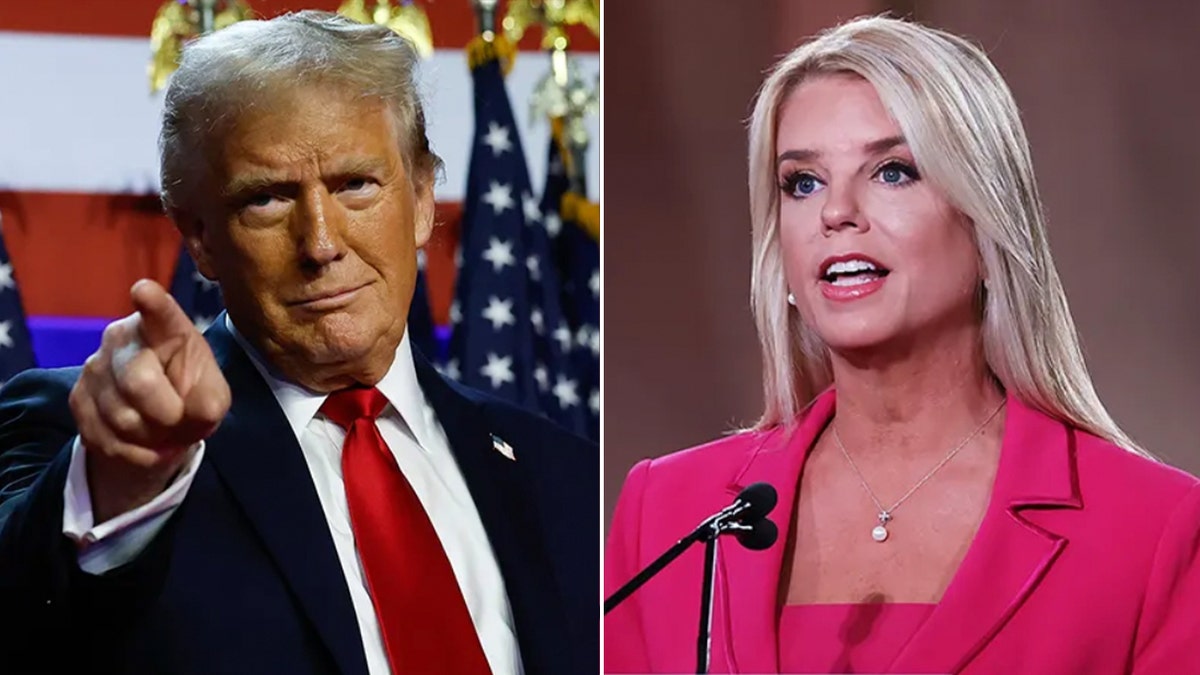
But the political fallout was swift. According to three advisers close to the former president, Mr. Trump erupted when informed of the decision, questioning why his legal surrogates had not prepared more effectively and demanding explanations for what he viewed as an embarrassing public defeat. In MAGA-aligned media circles, anger turned quickly toward Pamela Bondi, the former Florida attorney general whom Mr. Trump appointed to oversee the revived case.
A Prosecutor With Limited Trial Experience
Much of the criticism centered on Lindsey Halligan, a former Trump lawyer tapped by Ms. Bondi to lead the Norfolk presentation despite her limited courtroom background. The choice had been controversial from the start. Several career prosecutors privately questioned whether Ms. Halligan had the necessary experience to manage a politically charged, high-stakes matter before a federal grand jury.
According to individuals briefed on the session, jurors appeared unconvinced by the presentation, raising questions about the evidentiary gaps that had troubled Justice Department staff for weeks. One observer described the performance as “disorganized and unfocused,” adding that Ms. Halligan “struggled to articulate a coherent theory of criminal liability.”
It remains unclear whether Ms. Bondi will attempt a third pursuit of charges, though several Republican strategists said privately that doing so would risk deepening perceptions of overreach at a time when political tempers are already high.
A Blow to Trump’s Push for Legal Retaliation
The failed indictment effort highlights the increasing tension between Trump’s public insistence on aggressive counter-investigations and the Justice Department’s institutional reluctance to pursue legally dubious cases against political figures. While Mr. Trump has framed his demands as necessary to restore balance after years of inquiries targeting him and his allies, many legal experts argue that such efforts risk eroding public trust in federal prosecutorial neutrality.
“The grand jury’s rebuke underscores a fundamental principle: political grievance is not a substitute for evidence,” said Rebecca Lyons, a former federal prosecutor now at Georgetown Law. “Attempting to convert political disputes into criminal charges is neither sustainable nor consistent with the rule of law.”
For Ms. James, who has long been the target of Trump’s ire for her investigations into his business practices, the Norfolk outcome represents a rare moment of public vindication. Her office declined to comment on the grand jury’s refusal but noted in a brief statement that “facts and law prevail over theatrics.”
A Fractured Team and a Growing Blame Game
Inside Trump’s orbit, however, the episode has exacerbated internal divisions. Two advisers say that confidants close to the former president have begun pointing fingers at one another, with some blaming Ms. Bondi for “mismanagement” and others arguing that the case never should have been advanced to a grand jury in the first place.
The failed presentation, they said, has also strained relationships between Mr. Trump and several officials at the Justice Department, where morale among career staff has reportedly been unsettled by the political pressures surrounding high-profile cases. One senior official described the environment as “deeply complicated,” noting that while political appointees are entitled to set priorities, pressure campaigns to bring unsuccessful charges risk undermining institutional credibility.
Public Reaction and Political Implications
The news spread rapidly across social media, where critics of Mr. Trump expressed a mixture of relief and incredulity at what they viewed as an attempt to weaponize the federal justice system against an elected state official. Conservative commentators were divided; some argued that the failure illustrated longstanding bureaucratic resistance to Trump-era initiatives, while others conceded that the legal basis for the charges was flawed.
Election analysts said the grand jury’s decision is unlikely to shift public opinion broadly, but the episode may further animate debates over executive authority and prosecutorial independence — issues likely to play an increasingly central role in the coming campaign cycle.
A Moment That Raises Larger Questions
As both parties move deeper into a contentious election season, the Norfolk decision serves as a reminder of the limits of presidential influence over the justice system. While Mr. Trump has repeatedly argued that his opponents have benefited from selective prosecution, his own attempt to turn the tables has now faltered twice in rapid succession.
Whether the administration will recalibrate its approach or double down on efforts to pursue its political adversaries remains an open question. For now, the unexpected resistance from the grand jury stands as a rare institutional check — and a symbol of the unpredictable risks inherent in fusing legal tools with political agendas.