A reported private exchange between former president Donald J. Trump and Canadian political figure Mark Carney has prompted a wave of discussion across diplomatic, economic and environmental circles in both countries, following claims that the United States raised the issue of long-term access to Canadian fresh water. While many details remain unverified and neither side has publicly released a full account, the speculation alone has triggered a broader debate about the future of cross-border resource policy at a moment of heightened political sensitivity.
The controversy escalated after several Washington-based analysts and media commentators circulated accounts of a tense interaction during what sources described as a routine policy briefing. According to those briefings, Mr. Trump expressed interest in exploring new mechanisms — including potential trade or infrastructure arrangements — to secure greater access to Canadian water reserves for future U.S. consumption needs. Those same accounts say Mr. Carney, an influential figure in Canadian economic and political circles, responded firmly that water sovereignty was non-negotiable.

While none of the parties involved have offered an on-the-record confirmation, the reports were enough to ignite an immediate reaction online and among policymakers. Environmental groups in Canada swiftly reiterated longstanding concerns about exporting bulk water, warning that the issue carries ecological, cultural and constitutional implications. In the United States, commentators framed the dispute as a symbol of deeper tensions between domestic resource pressures and the realities of continental cooperation.
Experts say the topic of interregional water transfer has surfaced periodically for decades — usually during moments of drought, shifting climate projections or political transition. Canada, which holds approximately 20 percent of the world’s freshwater resources, has consistently rejected large-scale export proposals, citing sustainability and national jurisdiction. Any agreement of the magnitude implied by the current reports would require parliamentary review, provincial consent and, in some cases, constitutional considerations.
Behind the scenes, officials on both sides of the border have been cautious. Individuals familiar with recent diplomatic conversations said no formal proposal has been tabled, but acknowledged that water management is becoming an increasingly complex area of bilateral policy. Several provinces — including British Columbia, Quebec and Manitoba — maintain strict regulations preventing bulk export, and public opinion polling in Canada routinely shows strong resistance to commodifying water as a tradable good.
In the United States, the reaction has been mixed. Some analysts argue that regional water shortages and population demands make long-term resource planning critical, and that informal conversations are inevitable. Others contend that raising the issue without a structured framework risks undermining diplomatic stability with one of the country’s closest allies. Economists also warn that introducing water into high-stakes negotiations could complicate existing tensions over trade, energy and cross-border supply chains.
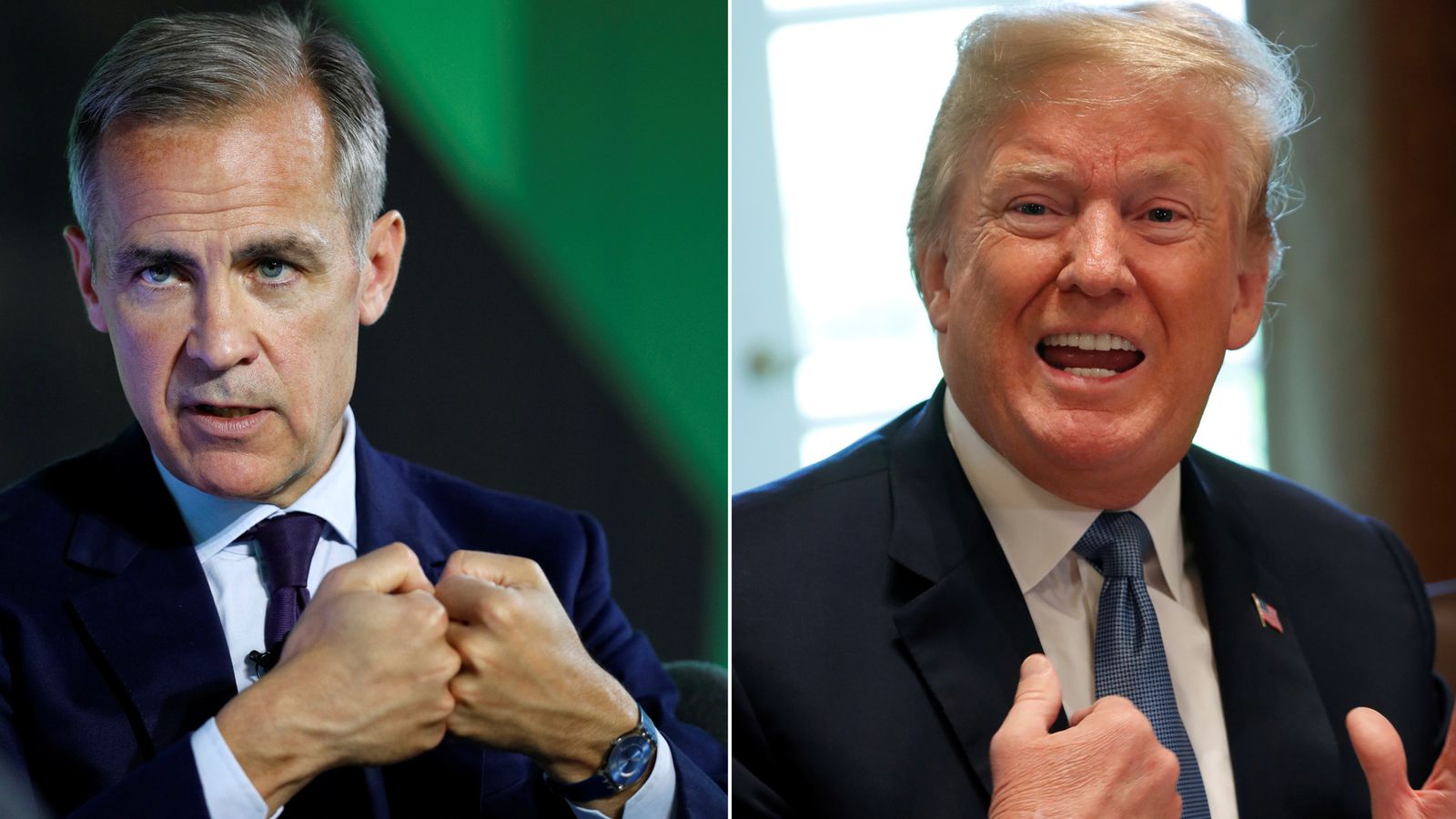
The digital response has been unusually swift. Social-media chatter, amplified by hashtags and commentary from political influencers, reframed the reported exchange as a dramatic confrontation, even though officials have offered little substantiation. Analysts caution that in the absence of public documentation, viral narratives can easily overshadow measured policy discussion.
Environmental scholars note that water scarcity is expected to become a defining issue of the century, and that conversations about resource sharing — whether formal or speculative — are likely to intensify. However, they emphasize that complex transboundary water agreements typically take years to negotiate and involve scientific assessments, Indigenous consultations, and extensive legal review.
For now, both governments appear intent on reducing speculation. Canadian officials have repeated their longstanding position on water sovereignty, while U.S. advisers have declined to comment directly, citing the private nature of policy briefings. Still, the episode underscores how quickly modern political discourse can fuse emerging climate anxieties, cross-border economics and high-profile personalities into a broader geopolitical narrative.
Whether the reports reflect an isolated moment or the opening chapter of a more serious policy dispute remains unclear. But the public reaction — extending from diplomatic circles to global media and online debate — highlights how sensitive and symbolically powerful the question of water has become.