TRUMP SHOCKED as CANADA BUYS SUBMARINES FROM GERMANY — BILLIONS SLIP AWAY FROM THE U.S. ⚡
 Canada is making a bold move that could redefine its defense landscape and reshape its trade relationships, leaving the United States in the dust. Prime Minister Mark Carney has announced a significant partnership with Germany to develop critical minerals in Canada, alongside a massive military investment that signals a pivotal shift in defense procurement. As Canada seeks to replace its aging fleet of submarines, the implications of these decisions are staggering, potentially costing tens of billions of dollars and diverting funds away from U.S. contractors.

In a surprising turn of events, Canada is looking to Germany and South Korea for its new submarine fleet, sidelining American defense contractors who would have been the natural choice in previous decades. The submarine program, which involves replacing four aging British-built submarines with up to 12 new vessels, is valued at around $2 billion per submarine, making it one of the largest defense procurements in Canadian history. This change comes in the wake of the U.S. imposing tariffs on Canadian metals, which has prompted Ottawa to seek alternatives and strengthen its economic ties with Europe and Asia.

The ramifications of this shift are profound. The tariffs imposed by the Trump administration, intended to exert pressure on Canada, have inadvertently pushed the nation to explore new partnerships. By signing a partnership with Germany focused on critical minerals, Canada is positioning itself as a key player in Europe’s industrial and defense sectors. This strategic move not only diversifies Canada’s export markets but also reduces its reliance on the U.S., a critical consideration given the unpredictability of American trade policy.
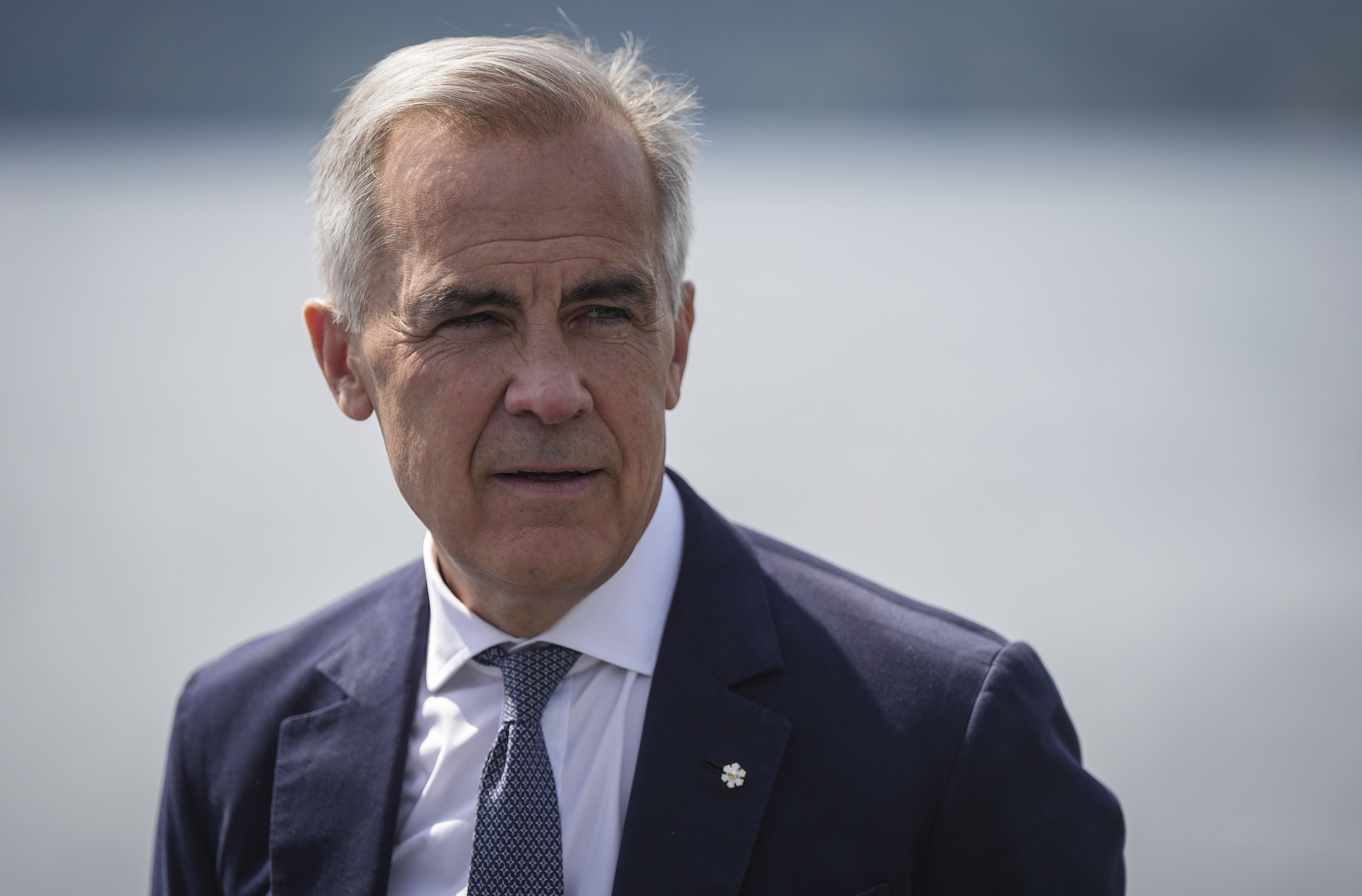
Moreover, Canada’s pivot towards Europe is not limited to defense. Carney’s recent trip to Poland, Germany, and Latvia emphasized cooperation in trade and energy, with plans to export Canadian liquefied natural gas (LNG) to Europe. This initiative aims to help Europe reduce its dependence on Russian gas while creating new markets for Canadian energy. The message from Ottawa is clear: if Washington treats Canada as a trade adversary, it cannot expect to benefit from defense contracts.
The submarine deal exemplifies a broader trend in Canadian policy. By turning to international partners like Germany and South Korea, Canada is not merely responding to tariffs; it is proactively seeking to enhance its sovereignty and economic independence. The irony is striking: tariffs that were meant to strengthen U.S. leverage have instead opened doors for other nations to secure business that historically would have gone to American firms.
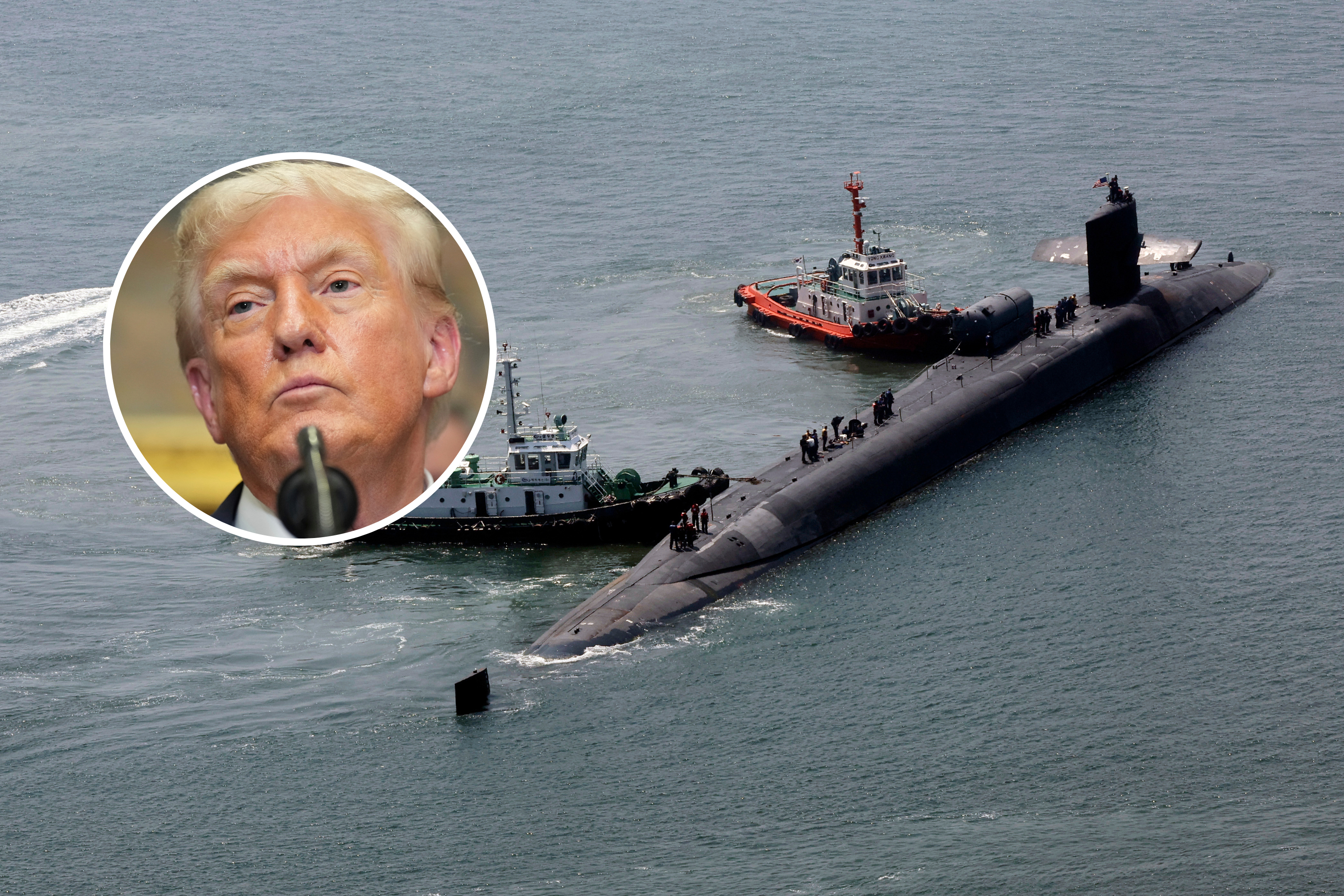
While Canada still maintains strong trade ties with the U.S., with over 85% of its exports flowing tariff-free under CUSMA, the current trajectory indicates a shift in priorities. By demonstrating that it has viable alternatives, Canada is asserting its position in the global market. The submarine contracts, critical minerals partnerships, and energy discussions with Europe all reinforce the notion that Canada will not be cornered by U.S. tariffs.
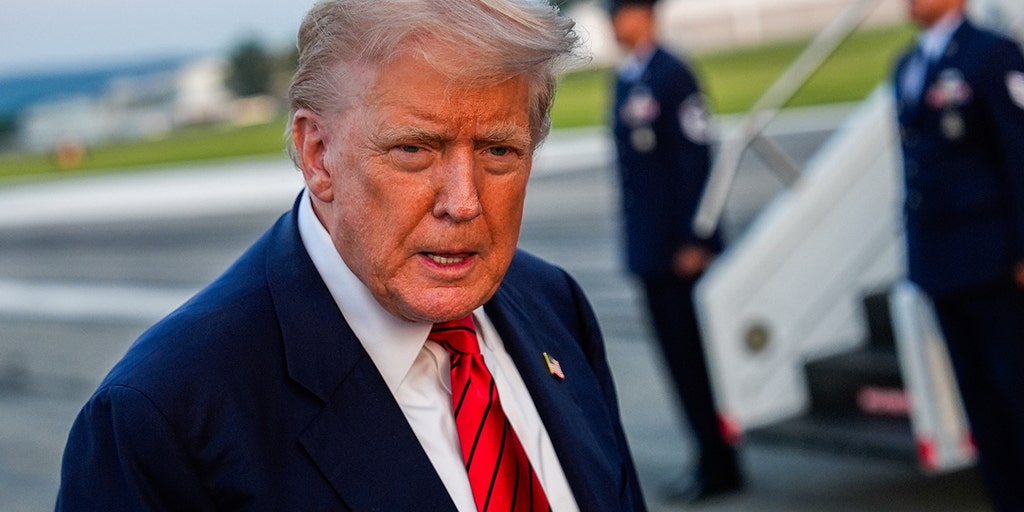
As the Canadian government moves forward with these strategic initiatives, it is clear that the landscape of North American trade and defense is evolving. The potential loss of billions of dollars to American shipyards is a stark reminder of the consequences of aggressive trade policies. Carney’s approach represents a calculated strategy to not only protect Canadian interests but also to strengthen its position on the global stage.
In conclusion, Canada is seizing the moment to redefine its trade relationships and bolster its defense capabilities. The shift towards Germany and South Korea for submarine procurement is a clear indication that Ottawa is no longer solely dependent on Washington. As Canada navigates this new terrain, it is emerging stronger, proving that smart decisions in the face of adversity can lead to greater autonomy and influence in the international arena.