Judge Chutkan Orders Expedited Disclosure of Epstein Files, Thrusting Trump Administration Into a Legal and Political Firestorm
By Adam Liptak and Nicholas Fandos Washington — Nov. 26, 2025
WASHINGTON — In a ruling that sent shock waves through the capital on the eve of Thanksgiving, Federal District Judge Tanya S. Chutkan ordered the Justice Department on Tuesday to expedite the processing and release of internal records related to its handling of Jeffrey Epstein’s files, including correspondence between President Donald J. Trump and the disgraced financier. The decision, which rejected the department’s delays as “constructive denial” under the Freedom of Information Act, has ignited a fierce partisan battle, with Democrats hailing it as a victory for transparency and Republicans decrying it as a partisan ambush aimed at undermining Mr. Trump’s second term.
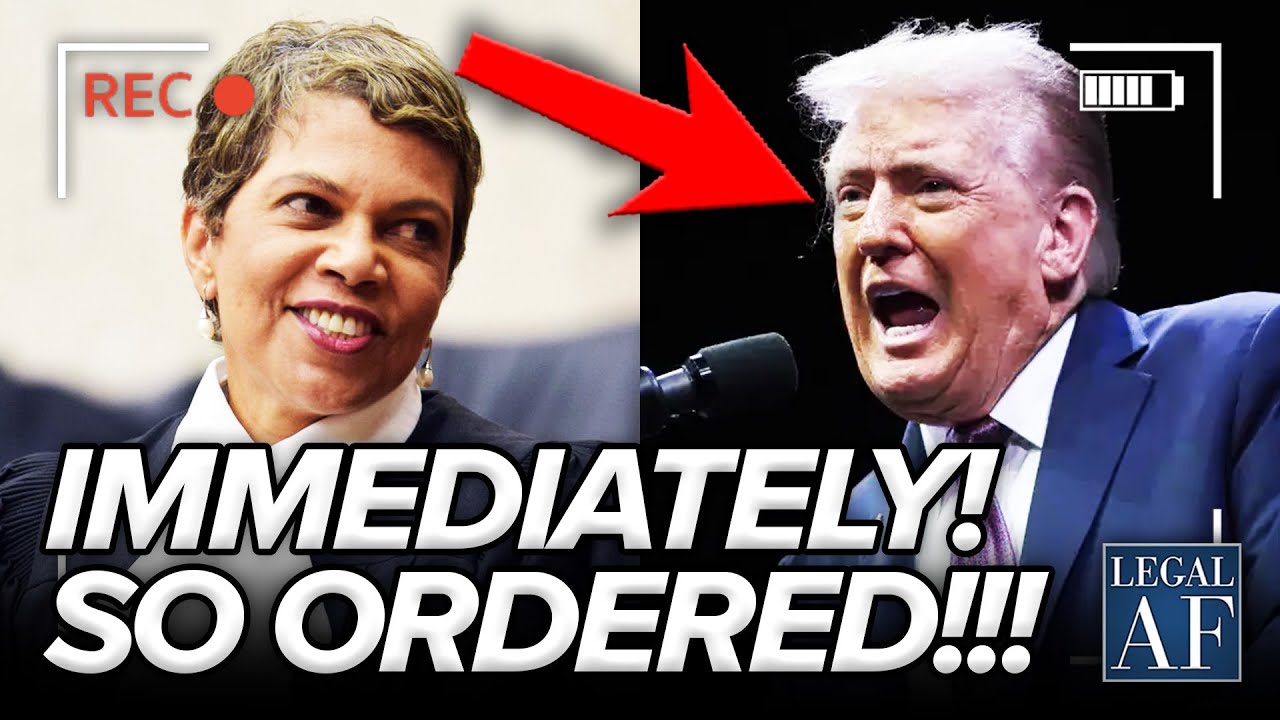
The 15-page order, issued in U.S. District Court here, stems from a lawsuit filed in August by the progressive legal group Democracy Forward, which accused the Justice Department of stonewalling a FOIA request for documents that could shed light on why the Trump administration reversed course earlier this year on releasing Epstein’s full case files. Judge Chutkan, an appointee of President Barack Obama who presided over Mr. Trump’s federal election interference case, granted summary judgment in favor of expedited processing, mandating that the department begin producing records immediately and justify any redactions under FOIA exemptions. Both sides must file a joint status report by Dec. 5, potentially paving the way for a full disclosure by year’s end.
“The public’s interest in understanding the Department’s handling of these sensitive materials outweighs any administrative burden,” Judge Chutkan wrote, noting that the request specifically sought “records reflecting all correspondence between Donald J. Trump and Jeffrey Epstein” — a detail she linked to media reports that Attorney General Pam Bondi had informed the president of his name’s appearance in the files, prompting a policy shift from disclosure to withholding. The order also demands FBI guidance issued to agents reviewing the files in spring 2025, which Democracy Forward argues could reveal a deliberate cover-up.
The ruling landed like a grenade in a White House already buffeted by Epstein-related scrutiny. Mr. Trump, who once described Epstein as a “terrific guy” in a 2002 interview but later distanced himself, claiming he banned him from Mar-a-Lago, fired off a series of Truth Social posts by midday Wednesday. “Crooked Judge Chutkan, Obama’s handpicked hatchet woman, just ordered a WITCH HUNT on my good name with FAKE Epstein docs! She should recuse — biased to the core! DOJ, fight this all the way — the radical left wants revenge, not justice!” The posts, viewed over 20 million times, amplified conservative media outrage, with Fox News host Sean Hannity labeling the order “judicial activism at its worst” during a prime-time segment.
At the Justice Department, officials scrambled to comply while signaling an appeal. A spokeswoman said the ruling “mischaracterizes our good-faith efforts to balance transparency with national security,” adding that the department would seek a stay pending review. Attorney General Bondi, whose February claim that an Epstein “client list” sat “on her desk ready for review” has been central to the dispute, defended the administration in a statement: “We’ve released thousands of pages already. This lawsuit is a fishing expedition by Soros-funded activists to smear the president.” Yet legal experts noted that Judge Chutkan’s emphasis on the public’s “extraordinary need” for information — tied to Epstein survivor advocacy and Ghislaine Maxwell’s ongoing appeals — makes reversal unlikely.
The decision arrives amid a torrent of Epstein developments. Just hours before Judge Chutkan’s order, the Justice Department petitioned two judges in the Southern District of New York to unseal grand jury transcripts from Epstein and Ms. Maxwell’s prosecutions, a move praised by victims’ groups but criticized by Republicans as timed to coincide with the FOIA ruling. On X, the platform formerly known as Twitter, #EpsteinFiles and #ChutkanCoverup trended globally, with posts ranging from conspiracy theories about elite protections to calls for congressional hearings. One viral thread from a conservative account claimed the order was “payback” for Mr. Trump’s attacks on the judiciary, garnering 150,000 likes. Prediction markets like Polymarket saw odds of a “major Epstein revelation involving Trump” by January climb to 35 percent, up from 12 percent pre-ruling.
Democrats, sensing political gold ahead of the 2026 midterms, mobilized swiftly. House Minority Leader Hakeem Jeffries announced plans for oversight hearings, tweeting: “The courts are doing what Congress and the White House won’t: shining a light on the shadows. Time for answers, not excuses.” Senate Judiciary Committee Democrats, led by Sheldon Whitehouse of Rhode Island, demanded unredacted copies for review, arguing the files could expose conflicts in Mr. Trump’s orbit, including past associations with Epstein ally Alan Dershowitz.
For Judge Chutkan, 63, the ruling evokes her tenure in high-stakes cases. Nominated by Mr. Obama in 2013 for her work as a public defender, she has earned a reputation for no-nonsense jurisprudence, once jailing a Trump aide for violating a gag order in the election case. “This isn’t about politics; it’s about process,” said Stephen Vladeck, a University of Texas law professor. “But in Trump’s Washington, process feels profoundly political.”
The Epstein saga, which has ensnared celebrities, politicians and royals since the financier’s 2019 death, underscores broader tensions over accountability in Mr. Trump’s second term. Initial releases in February revealed flight logs naming Mr. Trump among passengers in the 1990s, though no wrongdoing was alleged. The administration’s July reversal — after Ms. Bondi’s briefing — fueled suspicions of selective secrecy, especially as survivor groups like those represented by attorney Sigrid McCawley pressed for full access.
As Thanksgiving tables set across the nation, the order has fractured holiday discourse. At a Palm Beach donor brunch near Mar-a-Lago, attendees debated its implications over turkey, with one Trump ally dismissing it as “deep state noise” and another, a Wall Street veteran, urging caution: “If there’s smoke, there’s fire — and donors don’t like burns.” Polling from Emerson College, released Wednesday, showed 62 percent of independents favoring full disclosure, even if it implicates allies of either party.
For Democracy Forward, the victory is bittersweet. Executive Director Skye Perryman, in a statement, called it “a crucial step toward justice for survivors long denied their day in court.” Yet as the department races to comply, the real showdown looms: What secrets, if any, will the files unearth? In a city where information is currency, Judge Chutkan’s gavel has devalued the administration’s vault — and potentially rewritten the rules of transparency for years to come.

The coming weeks will test not just legal bounds, but the fragile truce between power and the public’s right to know. As one veteran FOIA litigator put it: “Epstein’s ghost haunts Washington because it reminds us: Some files close cases, but others reopen the republic itself.”
Adam Liptak reports on the Supreme Court and legal affairs, and Nicholas Fandos covers Congress. Additional reporting by Charlie Savage and Alan Feuer in New York.