Trump’s Controversial Border Action in Mexico Sparks Diplomatic Firestorm
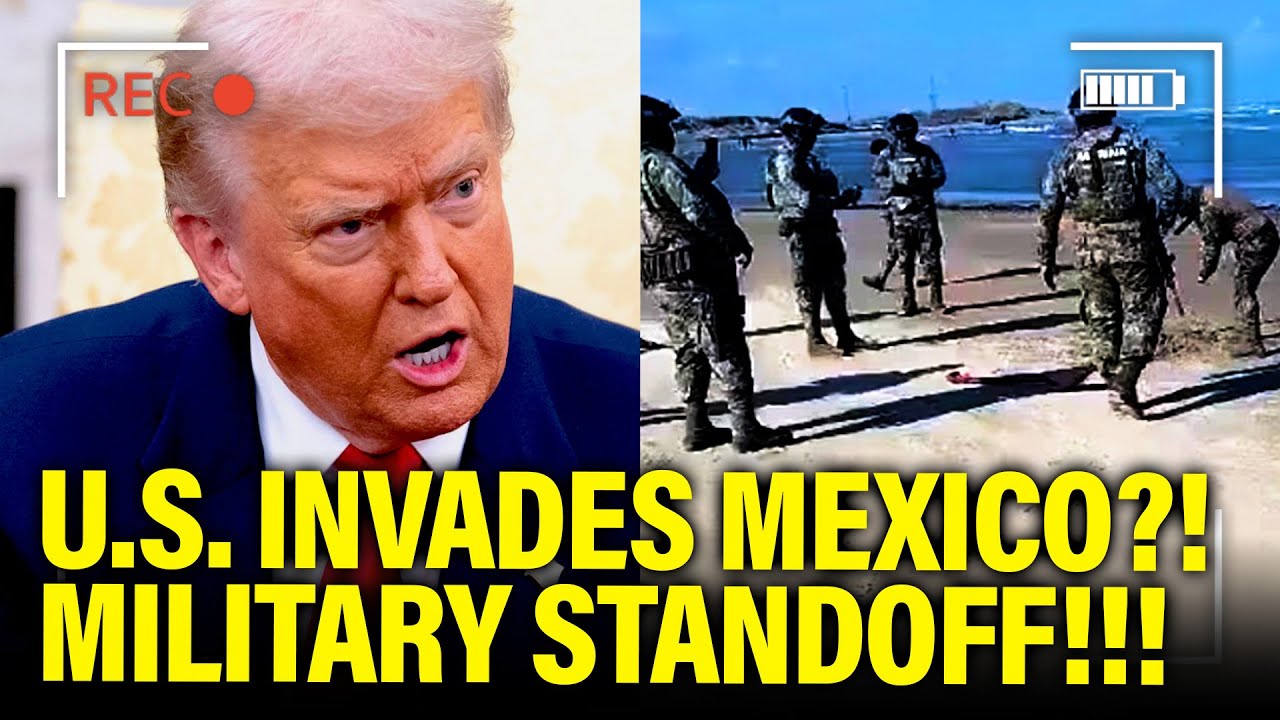
In an extraordinary and unprecedented series of events along the U.S.-Mexico border, contractors hired by the U.S. government placed warning signs claiming a section of Mexican territory as property of the Department of Defense, prompting swift action from Mexican authorities and raising questions about the limits of executive power in international affairs. The area in question, known locally as Playa Baghdad, sits at the mouth of the Rio Grande, where the river flows into the Gulf of Mexico. Video obtained exclusively from Mexican environmental agencies shows Mexican Marines quickly removing the signs, which declared the land a restricted zone under U.S. jurisdiction.
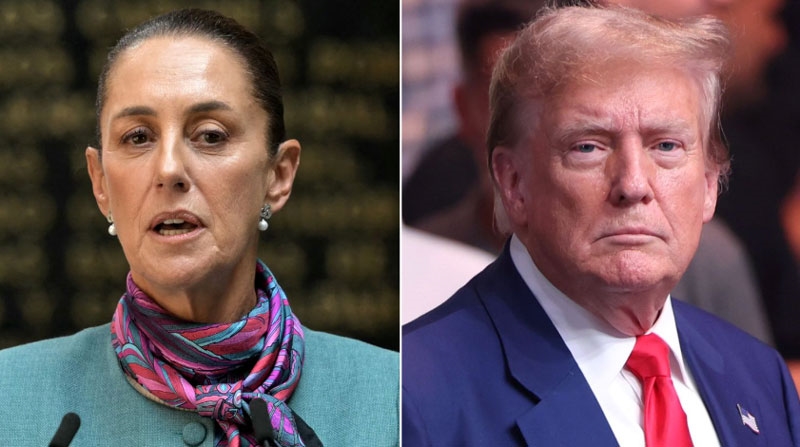
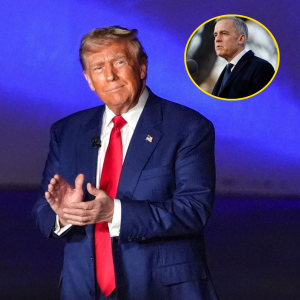
The incident comes just days after former President Donald Trump suggested he would not rule out the use of U.S. military personnel to intervene in Mexico in order to curb drug trafficking. Speaking in a public forum, Mr. Trump stated, “Would I launch strikes in Mexico to stop drugs? It’s okay with me.” The remarks, which blurred the line between rhetoric and policy, immediately drew sharp criticism from political opponents, legal scholars, and international observers.
“Any action like this on foreign soil is a clear violation of sovereignty,” said Professor Jeffrey Korn, chair of criminal law at Texas Tech School of Law. “A sign like that could only be placed for two legitimate reasons: either to mark a U.S. military facility, under strict security regulation, or a NASA-controlled area. But placing it on Mexican soil? That is outside any legal or diplomatic norm.”
Officials at the U.S. Embassy in Mexico confirmed that contractors had been dispatched to mark the area as a “National Defense Area,” citing shifts in river topography as the rationale for their activity. The Pentagon emphasized that the placement of the signs was unintentional and tied to environmental changes, yet the move has triggered significant diplomatic fallout. Mexico’s government, led by President Claudia Sheinbaum, issued a firm rebuke, declaring that no U.S. intervention on Mexican territory would be tolerated.
Political reactions in the United States were swift and vociferous. Several Democratic lawmakers, including Senator Alyssa Slotkin and Representative Jason Crow, publicly warned members of the military and intelligence communities to remain vigilant in upholding the Constitution, amid what they described as increasingly incendiary rhetoric from Mr. Trump. These lawmakers, many of whom are veterans, underscored that public servants should refuse any “illegal orders” and stressed the importance of maintaining the separation of military authority from partisan politics.
“The current administration is testing the boundaries of American constitutional norms,” said one senior congressional aide, speaking on condition of anonymity. “This is not just about Mexico. It’s about how rhetoric can be leveraged to provoke uncertainty and fear within our own institutions.”
Beyond the political and diplomatic dimensions, the incident has also captured public attention in a manner more typical of celebrity scandal than traditional policy disputes. Footage of Mexican Marines removing the DoD signs has gone viral on social media, with hashtags related to the incident trending across multiple platforms. News outlets and online commentators have debated both the legality and the optics of the episode, likening it to a geopolitical spectacle more suited to tabloid coverage than sober diplomacy.
Analysts suggest the mishap underscores deeper tensions in U.S.-Mexico relations, particularly in the context of drug interdiction and border security. While U.S. authorities have legitimate concerns about narcotics trafficking along the Rio Grande, the unilateral placement of U.S.-controlled signage on foreign soil raises questions about respect for international treaties and established norms of diplomacy. “Even if intentions were technical or symbolic, the perception is disastrous,” noted Dr. Laura Menendez, a Mexico-U.S. relations specialist at Georgetown University. “It gives the impression of a disregard for sovereignty and fuels the narrative of escalation.”
As political analysts continue to parse the implications, the former president’s comments about potentially using military force in Mexico linger as a backdrop to the ongoing media storm. Critics argue that the rhetoric, combined with tangible actions like the sign placements, could set a dangerous precedent in international engagement, while supporters claim it represents decisive leadership in the fight against cross-border crime.
For now, Mexican authorities have restored full control over Playa Baghdad, and diplomatic channels remain active but tense. The episode is likely to be dissected for weeks, both as a case study in the limits of executive authority and as a reflection of the polarized climate of U.S. politics. As the video clips circulate online and political commentary escalates, the story continues to dominate both news cycles and social media feeds, demonstrating that in today’s interconnected media landscape, even minor operational missteps can quickly transform into international incidents.
Ultimately, the incident at Playa Baghdad serves as a stark reminder of the delicate balance between domestic political messaging, military authority, and international diplomacy. The aftermath of this event will likely influence not only U.S.-Mexico relations but also broader debates about presidential powers and the norms that underpin American foreign policy.