Shockwaves in Washington: Intel Leader’s Urgent Plea Signals Deepening Concerns Over Trump’s Escalating Behavior.
WASHINGTON — What began as an unusually pointed public warning from a senior intelligence figure has evolved into a broader debate across the capital about the limits of executive behavior, the fragility of institutional restraints, and the uncomfortable uncertainty surrounding the political months ahead. The statement — delivered in clipped, unmistakably urgent terms — suggested that Donald Trump, in his most recent actions and rhetoric, had become “more dangerous by the day,” a phrase that ricocheted through Washington with unusual speed.
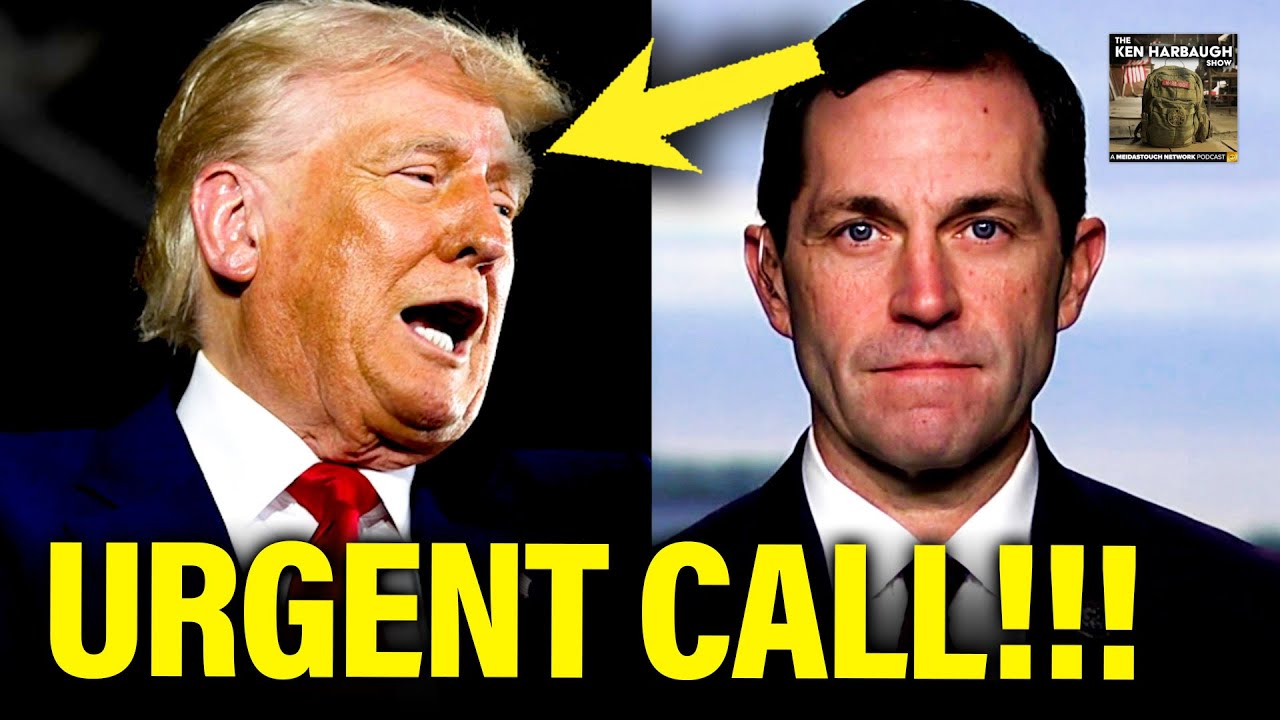
The comment did not emerge from anonymous leaks or off-the-record conversations but instead from a televised interview, a choice that surprised even longtime observers of national security politics. For many officials currently serving across federal agencies, the plea represented something rare: the quiet worries whispered in private rooms suddenly spoken aloud.
In the hours that followed, senior aides across several departments privately acknowledged that they had anticipated a difficult political season, particularly as the administration continued to face internal fractures and escalating disputes with Congress. Yet few expected an intelligence leader to issue such a stark assessment — and to do so with so little rhetorical cushioning.
A Rare Break From Protocol
According to several individuals familiar with the matter, the statement reflected mounting internal concerns that had been building for months. These officials, who requested anonymity because they are not authorized to speak publicly, described a climate in which senior advisers frequently debated how to manage abrupt shifts in the president’s posture on national security priorities. These debates, they said, often intensified behind closed doors, particularly as key decisions approached.
Traditionally, intelligence officials temper their language in public forums, relying on formal briefings rather than public commentary. This makes the unusually blunt warning all the more notable. “There is normally a commitment to avoid even the appearance of politicizing intelligence,” said a former senior national security official who served in multiple administrations. “For someone in that position to break from that standard suggests the level of concern is significant.”
While the White House declined to directly address the comments, advisors close to the president dismissed the warning as “performative” and “politically motivated,” characterizing it as part of what they described as a broader effort to undermine the administration’s authority. Still, the response did little to quiet the questions that emerged in its wake.
Public Reaction and the Broader Political Climate
Within hours, political analysts, lawmakers, and administration critics had seized on the remark, interpreting it as a sign of intensifying institutional anxiety. On social platforms, the clip circulated widely, prompting a cascade of commentary ranging from expressions of alarm to accusations of partisan opportunism. For many Democrats, the statement underscored long-held concerns about the erosion of guardrails surrounding executive power. For Republicans who remain uneasy with Trump’s most aggressive positions, the remark represented a dilemma: how to respond without appearing to fracture further an already divided caucus.

This tension has been especially visible in recent debates over congressional authority, national security funding, and the scope of presidential discretion. Lawmakers on both sides acknowledge that the stakes have risen sharply as the political calendar accelerates and the administration expands its efforts to assert unilateral control over several key policy areas.
Inside the Rooms Where Decisions Are Being Made
According to insiders familiar with recent high-level discussions, much of the current unease stems not from a single dramatic incident but from a cumulative pattern of decisions and confrontations. These officials describe moments in which senior advisors struggled to manage messaging, moments in which operational plans shifted suddenly, and moments in which policy priorities collided with legal or diplomatic obstacles.
It was against this backdrop, insiders say, that the intelligence official’s warning took shape. “The real story is not the statement itself,” said one person briefed on the internal deliberations. “It’s the months of pressure and uncertainty that led to it.”
A Washington on Edge
For now, the remark has become a touchstone in an already charged political landscape — a symbol of the widening divide between those who believe the administration’s trajectory poses serious risks and those who argue that criticisms have been exaggerated for political gain. The White House insists that its decisions remain well within the bounds of executive authority. Critics counter that the cumulative strain on institutions is becoming visible.
What remains clear is that the warning has disrupted the uneasy equilibrium that Washington had settled into. It has prompted lawmakers to reconsider their own roles, pushed agencies to re-evaluate internal communication channels, and raised new questions about how the next months might unfold.
Whether the alarm ultimately reshapes the national conversation or becomes another flashpoint in an already polarized era remains uncertain. But in a capital accustomed to managed statements and careful language, the public plea landed with unusual force — a reminder that even in a city jaded by decades of political turbulence, there are still moments that cut through the noise.