SH0CKING: At Only 46, Ricky Hatton Has Passed Away — Yet His Departure Carries Mysteries That Refuse to Rest
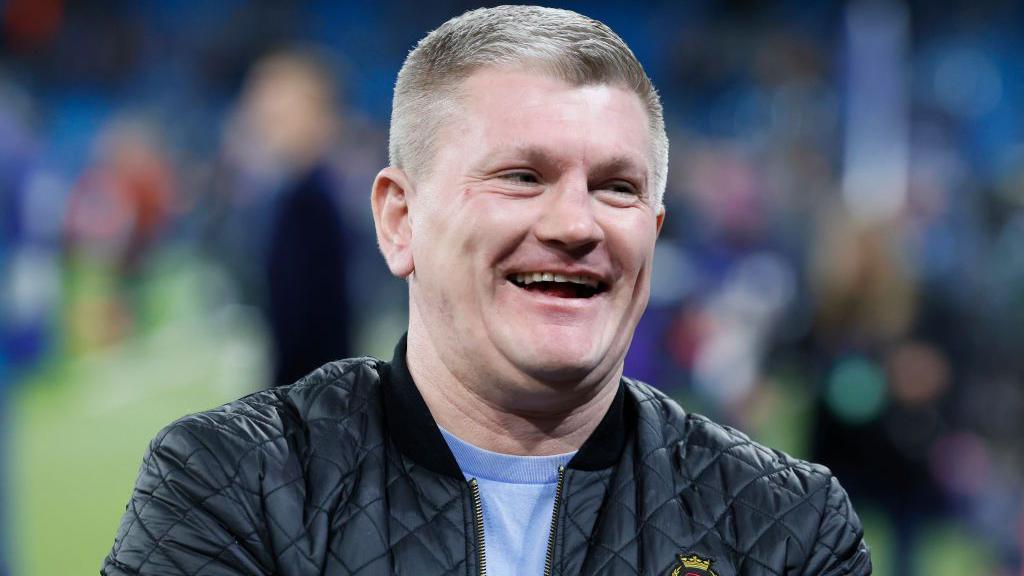
On September 14, 2025, the boxing world was rocked by the sudden and tragic death of Ricky “The Hitman” Hatton, a British boxing legend whose life and career were as electrifying as they were tumultuous. At just 46 years old, Hatton was found dead at his home in Hyde, Greater Manchester, leaving behind a legacy of triumphs, struggles, and unanswered questions. His passing, confirmed by Greater Manchester Police as non-suspicious, has sparked a whirlwind of speculation, grief, and intrigue. While the official narrative points to a life marked by mental health battles and personal demons, there are whispers of untold promises, silent stories, and secrets that linger in the shadows of his departure.
A Champion’s Rise and Fall
Ricky Hatton was no ordinary fighter. Born in Stockport and raised on the Hattersley estate, he became a national icon through sheer grit and an unrelenting fighting style. With a professional record of 45 wins in 48 bouts, 32 by knockout, Hatton claimed world titles in both light-welterweight and welterweight divisions, including the IBF, WBA, WBO, and The Ring titles. His 2005 victory over Kostya Tszyu at Manchester’s MEN Arena cemented his status as a pound-for-pound force, while his infectious personality and raucous fanbase made him a global sensation.
Yet, Hatton’s career was not without its scars. His high-profile losses to Floyd Mayweather Jr. in 2007 and Manny Pacquiao in 2009 were defining moments. The Pacquiao fight, in particular, was a brutal second-round knockout that left Hatton unconscious and, as he later admitted, contemplating suicide. The psychological toll of these defeats, coupled with his struggles with depression, alcohol, and cocaine addiction, painted a picture of a man battling demons far greater than any opponent in the ring.
A Comeback Cut Short
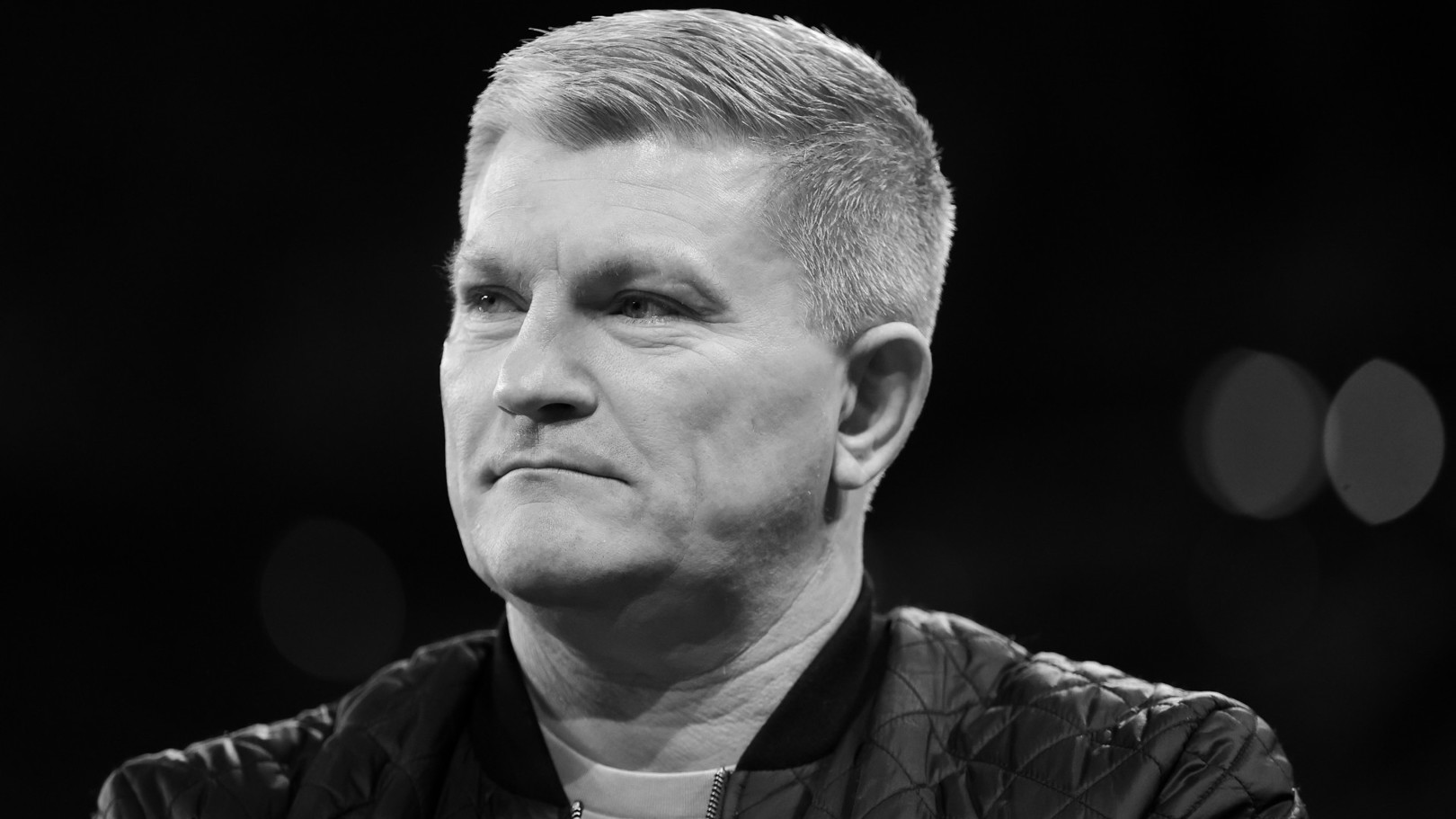
In July 2025, Hatton shocked fans by announcing a professional comeback fight scheduled for December 2 in Dubai against Eisa Al Dah. At 46, he appeared sharp in training, fueling excitement for what promised to be a triumphant return. His induction into the International Boxing Hall of Fame in 2024 and his work as a trainer and promoter suggested a man who had overcome his past and was ready to reclaim his narrative. Yet, just weeks before the Manchester derby, where he was set to be honored, Hatton was found dead, leaving fans and the boxing community reeling.
Greater Manchester Police reported no suspicious circumstances, and a post-mortem examination is pending to determine the exact cause of death. However, Hatton’s openness about his mental health struggles and past suicide attempts has led to speculation that his death may be linked to these battles. In a 2016 BBC interview, he spoke candidly about his addiction and depression, describing a “runaway train” of substance abuse that led to a 2012 overdose and rehab in 2010. Despite his recovery efforts, could these demons have resurfaced in his final days?
Mysteries and Unanswered Questions

While the police have ruled out foul play, the circumstances of Hatton’s death have sparked questions that refuse to fade. What promises did Hatton make in his final months? His comeback was not just about boxing; it was a chance to rewrite his story, to prove he could rise again. Friends and family speak of his renewed determination, yet some wonder if there were private commitments—perhaps to himself, his family, or his fans—that went unfulfilled.
Then there are the stories locked in silence. Hatton was a man of the people, but his inner circle knew a side of him the public rarely saw. His family’s emotional tribute described a man with “a heart as big as his smile,” yet they also hinted at a private pain that words could not capture. Were there struggles he kept hidden, even from those closest to him? His reconciliation with his family after years of strain suggests a man seeking redemption, but what unresolved conflicts or regrets might he have carried?
Finally, the secrets waiting in the shadows. Online speculation has swirled about the true nature of Hatton’s final days. Was his comeback a desperate bid to reclaim glory, or a sign of deeper turmoil? Some point to his planned fight in Dubai as a clue, questioning whether external pressures or personal challenges played a role in his untimely end. Without a confirmed cause of death, these theories remain unanswered, fueling a narrative of mystery that clings to “The Hitman’s” legacy.
A Legacy That Endures
Hatton’s death has left a void in the boxing world. Tributes from figures like Tyson Fury, Amir Khan, and Frank Warren highlight his impact as both a fighter and a person. Manchester City FC, his beloved club, honored him with a minute’s appreciation, while fans gathered to lay floral tributes outside his home. His family’s statement emphasized his humility and love for the sport, ensuring that his legacy as a champion and a man will endure.
Yet, the mysteries surrounding Ricky Hatton’s departure linger like an unfinished bout. The promises he made, the stories he left untold, and the secrets he carried have become part of his legend. As the world mourns, it also searches for answers, hoping to understand the enigma of a man who fought with heart, lived with passion, and left too soon.