Remembering Robert Redford: A Cinematic Legend (1936–2025)
:max_bytes(150000):strip_icc():focal(959x584:961x586)/robert-redford-sibylle-szaggars-1-641285245b14448b81db9cc6fda65573.jpg)
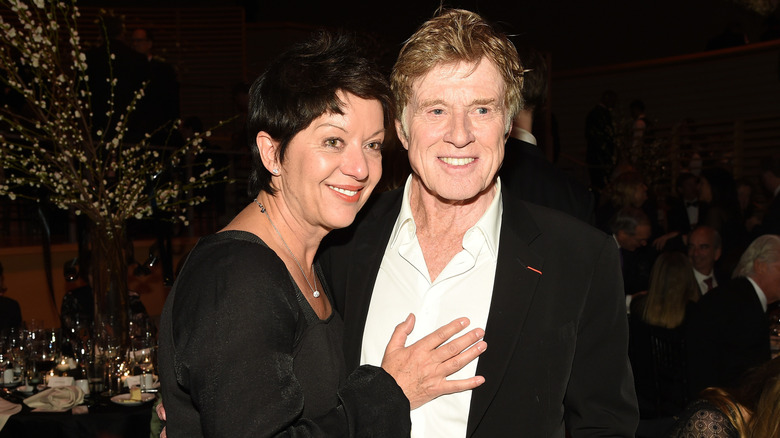
It is with profound sadness that the world mourns the passing of Robert Redford, the iconic Oscar-winning actor, director, and philanthropist, who left us on September 17, 2025, at the age of 89. His wife, Sibylle Szaggars, announced the heartbreaking news from their family home, revealing that Redford had succumbed to a prolonged battle with a debilitating illness. In her poignant statement, Szaggars shared, “Enough was enough,” reflecting the toll the disease had taken on the beloved star. Redford’s departure marks the end of an era for Hollywood and leaves an indelible void in the hearts of millions worldwide.
Born Charles Robert Redford Jr. on August 18, 1936, in Santa Monica, California, Redford rose from humble beginnings to become one of the most celebrated figures in cinema. His boyish charm, piercing blue eyes, and natural charisma made him a leading man of unparalleled presence. Yet, it was his depth, versatility, and commitment to storytelling that cemented his legacy as a true artist. Redford’s career spanned over six decades, during which he starred in, directed, and produced some of the most iconic films in American history.
Redford first captured audiences’ hearts in the 1960s with roles in films like Barefoot in the Park (1967) and Butch Cassidy and the Sundance Kid (1969), where his chemistry with Paul Newman became the stuff of legend. The latter film, a cultural touchstone, showcased Redford’s ability to blend rugged masculinity with vulnerability, a hallmark of his performances. His role as the Sundance Kid not only made him a household name but also inspired the name of the Sundance Film Festival, which he founded in 1978 to champion independent filmmakers.
As a director, Redford’s brilliance shone just as brightly. His directorial debut, Ordinary People (1980), earned him an Academy Award for Best Director, a testament to his ability to craft emotionally resonant stories. The film, a searing exploration of grief and family dynamics, also won Best Picture, solidifying Redford’s reputation as a multifaceted talent. He continued to direct critically acclaimed films like A River Runs Through It (1992) and Quiz Show (1994), each reflecting his keen eye for human complexity and his love for the natural world.
Beyond his contributions to film, Redford was a passionate environmentalist and advocate for the arts. Through the Sundance Institute, he nurtured countless filmmakers, giving voice to stories that might otherwise have been overlooked. His commitment to preserving the American West led him to establish the Redford Center, which focused on environmental filmmaking and advocacy. Redford’s love for nature was evident in both his work and personal life, as he often retreated to his Utah ranch, where he found solace and inspiration.

Sibylle Szaggars, Redford’s wife of 16 years, stood by his side through his final years, offering unwavering support as he faced his illness. Their partnership was one of mutual respect and shared passion for art and activism. Szaggars, an accomplished artist, and Redford collaborated on projects that blended creativity with environmental awareness, leaving a legacy that extended beyond the screen.
Redford’s impact on cinema and culture is immeasurable. Films like The Sting (1973), All the President’s Men (1976), and Out of Africa (1985) remain timeless classics, while his later roles in All Is Lost (2013) and The Old Man & the Gun (2018) showcased his ability to captivate audiences even in his later years. His final on-screen appearance, in Avengers: Endgame (2019), introduced his talents to a new generation, proving his enduring relevance.
As news of Redford’s passing spread, tributes poured in from colleagues, fans, and world leaders. President [Name], in a statement, called him “a national treasure whose work shaped our understanding of ourselves.” Fellow actors, including Meryl Streep and Brad Pitt, praised his generosity and vision, noting how he inspired them to push creative boundaries.
Robert Redford leaves behind his wife, Sibylle Szaggars, his children, and a legacy that will endure through his films, the Sundance Institute, and his environmental advocacy. His final words, as shared by Szaggars, “Thank you and see you later,” echo the grace and optimism that defined his life. While the world says goodbye to a legend, Redford’s spirit lives on in every frame of his films and every story he helped tell.
Rest in peace, Robert Redford. Your light will never fade.