The Tragic Loss of Jorge Costa: A Football Legend Gone Too Soon
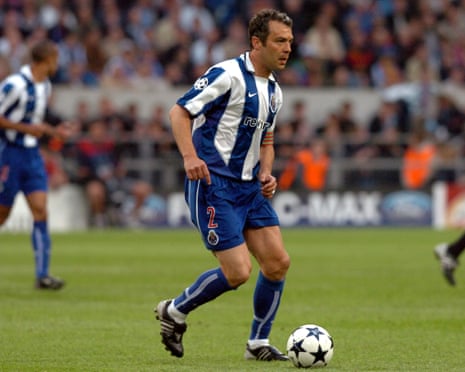
In a heartbreaking turn of events, the football world was shaken to its core just 30 minutes ago with the sudden passing of Jorge Costa, the legendary former captain of FC Porto and a key figure in their 2004 UEFA Champions League triumph under José Mourinho. Known as “The Tank” for his unyielding presence on the pitch, Costa collapsed during a routine training session at Porto’s training ground in Gaia, Portugal, sending shockwaves through the global football community. As police and medical teams descended on the scene, questions swirled about the circumstances of his untimely death, leaving fans, teammates, and coaches grappling with grief and disbelief.
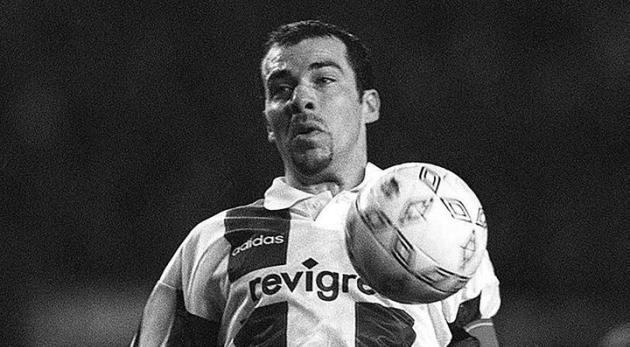
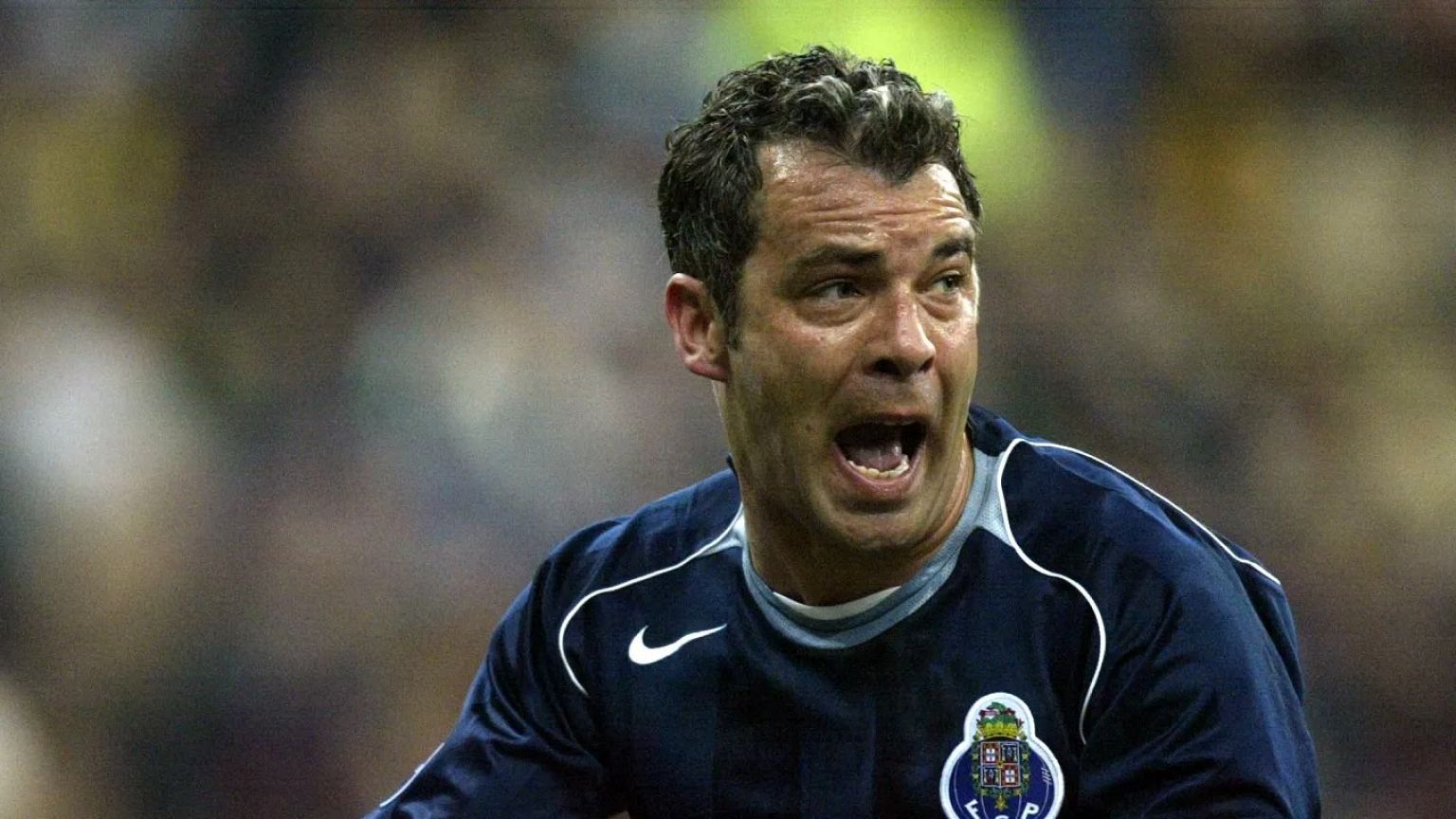
Jorge Costa, aged 53, was not just a footballer but a symbol of resilience, leadership, and passion. His career was defined by his tenure at FC Porto, where he made 383 appearances, cementing his status as one of the club’s most iconic figures. Under the guidance of José Mourinho, Costa led Porto to an improbable Champions League victory in 2004, a feat that etched his name into football history. His robust defending, commanding presence, and unwavering commitment made him a favorite of Mourinho, who often praised Costa’s ability to “clean the garbage” in the dressing room, allowing the coach to focus on tactics. Their bond was one of mutual respect, forged in the fires of Porto’s golden era, which also saw them lift the UEFA Cup in 2003.
According to initial reports, Costa was at Porto’s training facility, where he served as director of football, when he began to feel unwell. Witnesses noted that he had been speaking with a media team from SportTV moments before the tragedy. Complaining of discomfort, possibly due to the intense heat, Costa moved indoors, only to collapse shortly after. Despite the rapid response of medical personnel, he suffered a cardiac arrest and was pronounced dead at São João Hospital. The news, first reported by Portuguese media, spread like wildfire, with tributes pouring in from across the globe.
As police arrived to secure the scene, their investigation focused on piecing together the final moments of Costa’s life. Authorities have ruled out foul play, with preliminary findings pointing to a massive heart attack as the cause of death. This tragedy is particularly poignant given Costa’s medical history; in 2022, he survived a heart attack and underwent a catheterization procedure, seemingly recovering to continue his work with Porto. The suddenness of his passing has raised questions about the pressures of his role and the unpredictable nature of cardiac health, even in those who appear strong and resilient.
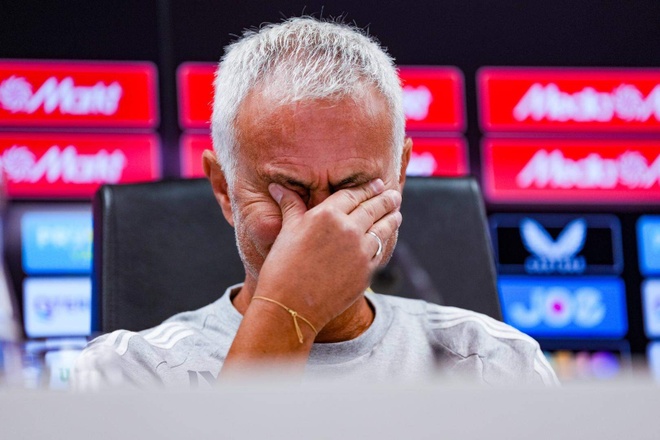
José Mourinho, now managing Fenerbahçe, was visibly emotional during a press conference, struggling to hold back tears as he paid tribute to his former captain. “Jorge was more than a player,” Mourinho said. “He was a leader, a man who carried the team on his shoulders. He would tell me to do my job, play the game, and win—for him. That’s what I’ll do, but it hurts.” Mourinho’s words echoed the sentiments of countless others, from former teammates like Deco and Pepe to fans who revered Costa as the embodiment of Porto’s fighting spirit.
The football world has lost a titan, but Costa’s legacy endures. His journey from a young player in Porto’s youth system to a Champions League-winning captain inspired generations. His brief loan spell at Charlton Athletic in 2001–02, where he earned the nickname “The Tank,” showcased his adaptability and charisma, winning over fans in England. Beyond the pitch, Costa mentored young players, shaping the future of Porto as director of football. His death marks the third tragedy for Porto this summer, following the loss of former loanee Diogo Jota and his brother André Silva in a car crash.
As investigations continue, the focus remains on honoring Costa’s memory. Porto has announced plans for a minute’s silence at their next match, and fans have begun gathering outside the training ground, leaving flowers and scarves in tribute. The truth behind Costa’s passing may lie in the fragility of life itself, a stark reminder that even the strongest among us are not invincible. For now, the football world mourns, united in grief for a man who gave everything to the game he loved.